 Female Infertility
  Ovulation Induction
  IUI
IUI  IVF/ICSI
  Frozen Embryo Transfer (FET)
  ERA Test
  IVM Fertility Preservation
  Laparoscopy and Hysteroscopy
  Men's Sexual Health
  Male Fertility Conditions

 January 23, 2018
 NU Fertility
 In Vitro Fertilization
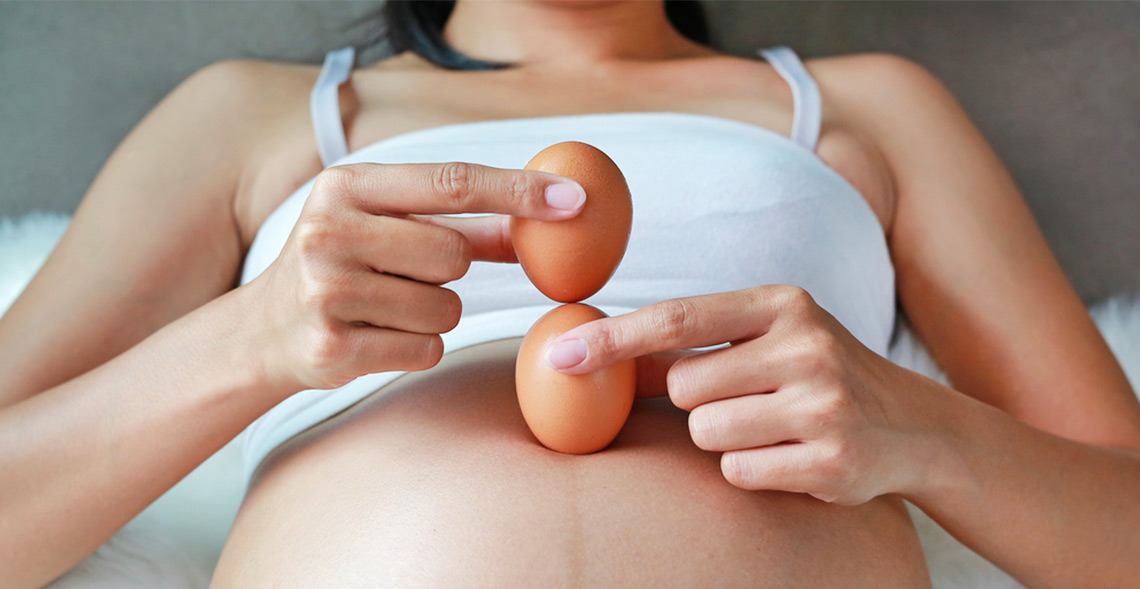
Understanding the IVF Process and Egg Retrieval: An Overview
The process of IVF (In-Vitro-Fertilization) involves ovarian stimulation with hormones with the intention of retrieving more eggs. The whole idea is to have enough eggs to produce an optimum number of good embryos to transfer and to freeze a few in case the fresh transfer fails. The question here is how many do we actually need? What is the optimum number of eggs needed to achieve a live birth, which in turn is the ultimate aim of an IVF cycle?
Does the Collection of Eggs Increase the Chance of Pregnancy?
A higher number of eggs retrieved is associated with a greater probability of producing chromosomally normal (euploid) embryos, which can implant and result in a live birth. Chromosomally abnormal embryos (aneuploid) are unlikely to develop into successful pregnancies and, if they do, frequently result in miscarriage.
The frequency of chromosomal abnormalities increases with age, leading to reduced pregnancy rates. To produce one and two euploid embryos respectively, approximately five and fourteen oocytes are required at age 34, while around ten and twenty-four oocytes may be required at age 38. This highlights the importance of retrieving an adequate number of eggs.
What Are the Risks of Retrieving More Eggs?
Retrieving more eggs often requires higher doses of hormones, which increases both the cost and the risk of side effects. One of the most serious complications is ovarian hyperstimulation syndrome (OHSS), where fluid accumulates in the abdomen and lungs, potentially leading to low blood pressure, increased clotting risk, and, in severe cases, kidney dysfunction.
Ovarian Torsion and Excessive Ovarian Response
Excessive ovarian response can cause the ovaries to enlarge and twist around their supporting tissues, cutting off blood supply—a condition known as ovarian torsion. This is a medical emergency that causes severe pain and requires immediate treatment.
Impact on Egg Quality and Implantation
Another concern is the potential compromise in egg quality during excessive ovarian stimulation. Elevated estradiol levels can advance the implantation window, causing a mismatch between the embryo and the endometrium (uterine lining), ultimately reducing implantation success.
Frozen Embryo Transfer
The goal in an IVF cycle is typically to retrieve between 8 to 15 oocytes, which allows for a fresh embryo transfer while maintaining a good chance of pregnancy. Studies show that pregnancy rates increase steadily up to around 15 oocytes and may decline beyond that.
In cases of excessive response, embryo transfer may be postponed, and all embryos are frozen to avoid complications like OHSS. These embryos can later be transferred in a carefully prepared uterine environment through a frozen embryo transfer (FET).
FAQs
1. How many eggs are needed for IVF success?
Typically, retrieving 8 to 15 eggs is considered optimal for achieving a good chance of IVF success while minimizing risks.
2. Does retrieving more eggs increase IVF success rate?
Up to a certain point, yes. More eggs increase the likelihood of obtaining healthy embryos, but excessive numbers can reduce implantation success and increase risks.
3. What factors affect IVF success rate?
Key factors include age, egg quality, sperm quality, embryo quality, uterine health, and overall medical conditions.
4. What is a frozen embryo transfer (FET)?
Frozen embryo transfer is a procedure where previously frozen embryos are thawed and transferred into the uterus at a later stage.
5. Can IVF work with fewer eggs?
Yes, IVF can still be successful with fewer eggs, especially if the egg and embryo quality are good.