 Female Infertility
  Ovulation Induction
  IUI
IUI  IVF/ICSI
  Frozen Embryo Transfer (FET)
  ERA Test
  IVM Fertility Preservation
  Laparoscopy and Hysteroscopy
  Men's Sexual Health
  Male Fertility Conditions

 December 26, 2025
 NU Fertility
 Mother Hood
Overview
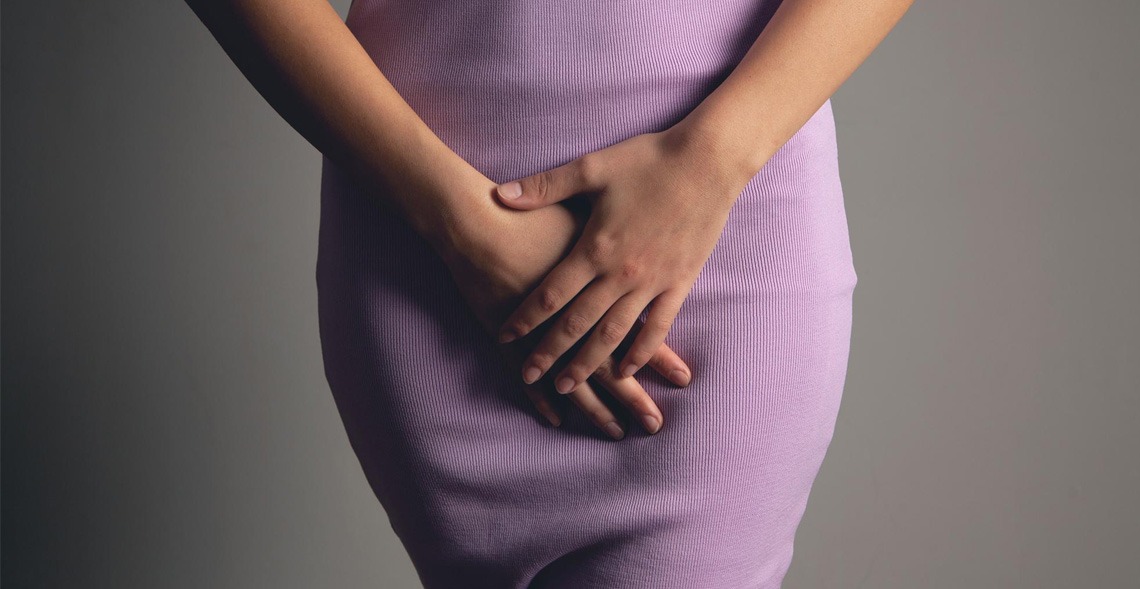
For many women, talking about intimate health is uncomfortable. Pain during intercourse is often brushed aside, normalised, or quietly endured. Some assume it is stress, while others hope it will go away on its own. However, when penetration feels painful, difficult, or impossible, it can be distressing. This condition is more common than many realise, and it is known as vaginismus.
Vaginismus affects not only the body but also emotional well-being, confidence, and relationships. The most important thing to understand is that it is treatable with the right care and support.
What Is Vaginismus?
Vaginismus occurs when the muscles around the vagina tighten involuntarily. This tightening is not under conscious control. Even when a woman wants penetration to happen, the body may respond by closing up.
This can occur during:
- Sexual intercourse
- Attempted penetration
- Tampon insertion
- pelvic or gynaecological examinations
Some women experience this from their first attempt, while others develop it later due to childbirth, infections, surgery, or emotional stress. Importantly, vaginismus is not caused by any structural abnormality.
Symptoms and Causes: Why Does This Happen?
Common Symptoms Women Describe
Women often describe their experience as:
- “It feels like my body shuts down.”
- “There is burning or sharp pain.”
- “I tense up even before anything happens.”
Clinical symptoms may include:
- Involuntary tightening of vaginal muscles
- Pain during penetration
- Anxiety related to intimacy
- Difficulty during medical examinations
- Avoidance of intercourse due to fear
What Causes Vaginismus?
There is no single cause of vaginismus. It often develops as a response where the body anticipates pain and reacts automatically. Over time, fear and muscle tightening can reinforce each other.
Possible contributing factors include:
- Past uncomfortable pelvic examinations
- Pain during intercourse or childbirth
- Anxiety or fear related to intimacy
- Cultural or personal beliefs around sex
- Infections, surgeries, or pelvic conditions
- Past trauma or distressing experiences
Even without a clear reason, this condition can occur. It is not intentional, and with the right approach, improvement is possible.
Complications Of Untreated Vaginismus
- Avoidance of intimacy due to fear of pain
- Strain in relationships and communication
- Reduced self-confidence and emotional distress
- Difficulty in achieving pregnancy through intercourse
- Fear of medical examinations
- Increasing stress and anxiety over time
How Doctors at NU Hospital Diagnose This Condition
Diagnosis is handled with care and sensitivity by Doctors at NU Hospital.
- Detailed discussion to understand symptoms and concerns
- Gentle and consent-based examination
- Assessment of pelvic floor muscle response
- Ruling out infections or other medical conditions
Management and Treatment: What Actually Helps
Treatment is gradual and personalised. Most women improve significantly with the right combination of care.
Pelvic Floor Physiotherapy
Helps women learn how to recognise and relax pelvic muscles through guided exercises.
Counselling and Emotional Support
Addresses anxiety, fear, and emotional factors contributing to the condition.
Guided Dilator Therapy
Involves gradual and controlled use of dilators to reduce muscle tightening and fear.
Education
Understanding the body and condition reduces fear and builds confidence.
When to See a Specialist for Vaginismus
You should consider consulting a specialist if:
- Penetration is consistently painful or not possible
- Pelvic examinations feel extremely difficult
- Fear or anxiety around intimacy is increasing
- You are trying to conceive without success
- Your mental well-being is affected
NU Hospitals’ Approach to Vaginismus Care
Care is personalised and handled with sensitivity. Patients are supported by a team of specialists including doctors, physiotherapists, and counsellors.
- Patient-centred consultations
- Comfort-focused examinations
- Individualised treatment plans
- Respect for privacy and emotional well-being
Supporting Women Beyond Treatment
Recovery extends beyond physical improvement. Ongoing support helps women regain confidence and comfort.
- Follow-up care
- Pelvic health education
- Emotional reassurance
- Relationship support when needed
Frequently Asked Questions About Vaginismus
Is vaginismus common?
Yes, many women experience it, though it is often not discussed openly.
Can vaginismus improve without treatment?
Some cases may improve, but guided treatment usually gives better results.
Is treatment painful?
No, treatment is gradual and always guided by comfort.
Can vaginismus affect pregnancy?
It can make intercourse difficult, but with treatment, many couples are able to conceive.