 Female Infertility
  Ovulation Induction
  IUI
IUI  IVF/ICSI
  Frozen Embryo Transfer (FET)
  ERA Test
  IVM Fertility Preservation
  Laparoscopy and Hysteroscopy
  Men's Sexual Health
  Male Fertility Conditions

 January 12, 2026
 NU Fertility
 IVF
IVF
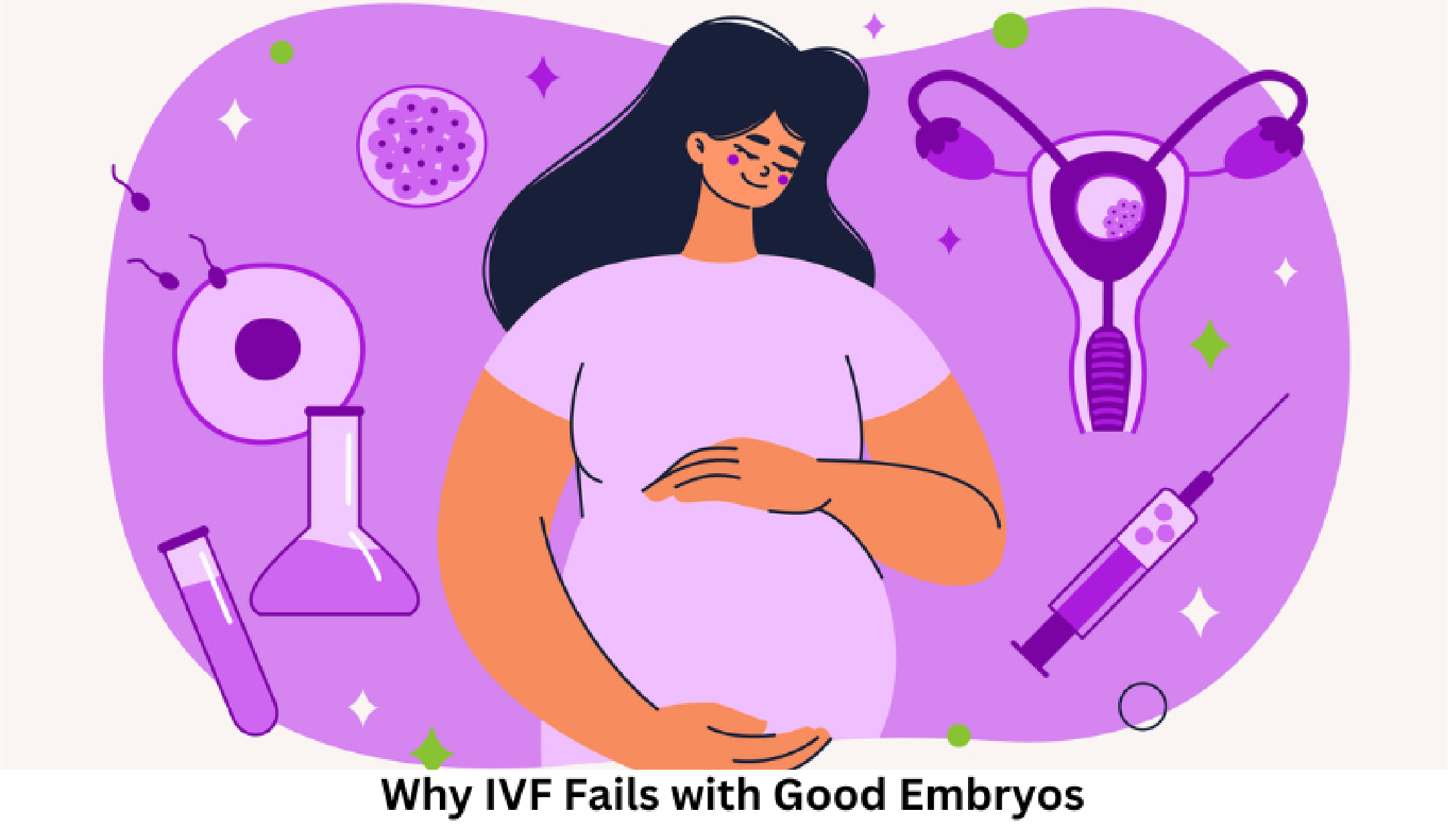
What Doctors Mean When They Talk About Egg Quality
Egg quality refers to how healthy an egg is at the time of ovulation and whether it can fertilise and develop normally. Eggs with stable genetic material are more likely to form healthy embryos and implant successfully.
Women are born with all the eggs they will ever have, and these eggs age over time. Egg quality cannot be measured directly, so doctors rely on tests, ultrasound findings, and treatment response to understand it. :contentReference[oaicite:0]{index=0}
Why Egg Quality Can Decline
Egg quality usually declines due to a combination of factors rather than a single cause. Age plays a significant role, as eggs are more likely to develop chromosomal changes over time.
Hormonal imbalances, medical conditions such as PCOS or endometriosis, and lifestyle factors like smoking, alcohol use, stress, and poor nutrition can also impact egg health.
Are There Any Symptoms?
Poor egg quality does not usually cause noticeable symptoms. It is often identified during fertility evaluation.
- Difficulty conceiving despite regular cycles
- Repeated early miscarriages
- Irregular menstrual cycles
- Poor response to fertility medications
- Low fertilisation rates in IVF
How Egg Quality Is Assessed
At NU Fertility, assessment begins with understanding menstrual history, lifestyle, and previous treatments. Blood tests and ultrasound scans are used along with treatment response to evaluate egg health.
Standard Tests Used to Assess Egg Health and What They Indicate
AMH (Anti-Müllerian Hormone)
Helps estimate ovarian reserve and how actively the ovaries are functioning.
FSH (Follicle-Stimulating Hormone)
Indicates how the ovaries are responding, especially when tested early in the menstrual cycle.
Estradiol levels
Provides insight into hormonal activity and ovarian function during the cycle.
Antral follicle count
Measures the number of resting follicles in the ovaries using ultrasound.
Menstrual cycle pattern
Offers practical clues about ovulation and egg development through cycle regularity.
Response during treatment
The way eggs grow and fertilise during treatment gives valuable real-time information about egg quality.
Treatment Options for Poor Egg Quality in NU Bangalore
Egg quality cannot be reversed, but treatment focuses on using available eggs effectively. This may include addressing hormonal issues, improving lifestyle factors, and providing nutritional support where needed.
Depending on individual factors, treatment may include ovulation induction, IUI, or advanced fertility treatments such as IVF, where embryo development can be closely monitored.
Factors That Can Affect Treatment When Egg Quality Is Reduced
Age at the time of treatment
Younger age is generally associated with better outcomes due to lower chances of genetic abnormalities.
Hormonal balance
Hormones play a crucial role in ovulation and embryo development, and imbalances can affect treatment success.
Uterine health
Conditions like fibroids or a thin uterine lining can impact implantation even with healthy embryos.
Sperm health
Fertilisation and embryo development depend on both egg and sperm quality.
Overall physical and lifestyle health
Factors such as stress, nutrition, sleep, and general health influence reproductive outcomes.
Care at NU Hospitals when Egg Quality is Affected
At NU Hospitals, care is personalised based on individual health, test results, and treatment response. NU Fertility works closely with other medical departments to address related health conditions and optimise treatment outcomes.
Frequently Asked Questions
- Can women with poor egg quality still get pregnant?
Yes, many women conceive successfully with the right fertility treatment and guidance. - Is poor egg quality the same as low egg count?
No, egg count refers to quantity, while egg quality refers to the health of the eggs. - Does IVF guarantee success in poor egg quality cases?
IVF improves the chances but does not guarantee pregnancy. - At what age does egg quality decline?
Egg quality generally begins to decline in the early 30s and more significantly after 35. - Is donor egg IVF the first option?
It is usually considered only when other treatments are unlikely to succeed. - When should a fertility specialist be consulted?
Women over 35 trying for six months or those with irregular cycles should seek evaluation early.