MBBS, DGO, DNB (OBG), Fellowship in Reproductive Medicine
Consultant - IVF Specialist, Female Sexual Health & Gynaecology

MBBS, MS (Surg), DNB (Uro), ChM (Edinburgh), FECSM, Fellow Andrology (Spain)
Sr. Consultant Andrologist & Urologist
Polycystic Ovary Syndrome (PCOS) is a common hormonal and metabolic condition that can interfere with regular ovulation and make conception more difficult. It is one of the leading causes of female infertility, particularly because some women with PCOS do not ovulate regularly. How PCOS and infertility relate in a patient differs from one woman to another. Many women suffering from PCOS become pregnant without fertility treatment; others will require assistance with ovulation. PCOS fertility treatment in Bangalore focuses on identifying the various factors behind infertility and adopting the right treatment strategy.
At NU Fertility, the fertility treatment for PCOS is planned around the woman’s age, reproductive and metabolic health, ovulation pattern and other factors that may influence conception. Depending on the assessment, treatment may involve lifestyle management, ovulation induction, IUI, IVF/ICSI or fertility preservation.
What is PCOS?
How Does PCOS Affect Fertility?
Signs and Symptoms of PCOS Affecting Fertility
Who Should Seek PCOS Fertility Evaluation?
Diagnosis of PCOS-Related Infertility
PCOS Fertility Treatment Options
Personalised PCOS Fertility Care at NU Fertility
Benefits of Early PCOS Fertility Treatment
Polycystic Ovary Syndrome is a common hormonal and metabolic condition. It is associated with problems with ovulation and increased androgen activity. In some women, the ovaries may also have a polycystic appearance on ultrasound.
Insulin resistance is another common feature often associated with the condition. When the body responds less effectively to insulin, increased insulin levels may contribute to increased androgen production and interfere with normal follicular development.
PCOS should not be confused with ovarian cysts. The small follicles sometimes seen in ovaries affected by PCOS are not the same as pathological ovarian cysts. Also, an ultrasound showing multiple follicles alone does not establish PCOS.
Not every woman with PCOS has difficulty conceiving. Some women continue to ovulate regularly and become pregnant without fertility treatment. Therefore, Polycystic Ovary Syndrome fertility varies from one woman to another.
A proper PCOS diagnosis will play an important role in understanding whether irregular ovulation is the main fertility concern and in excluding other conditions that can cause similar symptoms.
PCOS can make it difficult to become pregnant. Some factors that are associated with PCOS and lead to fertility issues are mentioned below:
Common PCOS symptoms that can sometimes be experienced:
Menstrual cycles may become irregular or even skipped when ovulation does not take place regularly, and there is a hormonal imbalance due to PCOS. This is why irregular periods and fertility can be closely related.
Some women find out they have PCOS when they seek help for difficulty becoming pregnant. Other causes of infertility should also be considered during evaluation.
An excessive amount of hair growth on the face and body, called hirsutism, may be caused by the elevated activity of androgens.
Elevated androgen levels may cause chronic acne and oily skin.
The problem of weight gain and weight loss may occur in women with PCOS. But keep in mind that PCOS affects women of various sizes.
Thinning of hair on the scalp can be another symptom experienced by some women because of androgens.
Acanthosis nigricans results in dark and thickened patches of skin. It can be associated with insulin resistance.
A fertility evaluation could be considered when a woman with PCOS has the following:
Women with extremely irregular cycles or who suffer from known ovulatory difficulties could have a fertility evaluation sooner than later.
A consultation with a PCOS specialist in Bangalore can help identify whether PCOS is affecting conception and whether other fertility factors need to be assessed.
A PCOS diagnosis entails taking a detailed medical history, conducting a thorough physical examination, blood tests, ultrasound, and exclusion of other possible factors causing infertility problems. An in-depth female fertility evaluation can sometimes involve the examination of her partner and fallopian tubes if necessary.
The fertility specialist reviews menstrual history, prior pregnancies, duration of infertility, prior treatments, medications, and medical history.
Period frequency and regularity can give hints about ovulation.
Blood tests may be ordered to check reproductive hormones and to rule out other diseases like thyroid disorder or high prolactin that can cause problems with ovulation.
It may identify polycystic ovarian morphology or other structural conditions affecting fertility.
Ovulation may be assessed through menstrual history, urinary ovulation tests, hormone testing, or ultrasound follicular monitoring.
Because PCOS can be associated with metabolic abnormalities, assessment may include:
The exact tests are selected according to individual risk factors.
A fertility assessment should involve both partners. Semen analysis can identify male-factor infertility that may coexist with PCOS.
Fallopian tube assessment may be recommended when indicated, particularly when there are additional infertility risk factors or when treatment planning requires it.
Treatment for PCOS-related infertility is not the same for everyone. Age, BMI, how long the couple has been trying, ovulation status, metabolic health and other fertility factors all influence the treatment plan.
Certain healthy habits on a day-to-day basis may facilitate fertility and overall management of PCOS. These include:
In case a woman is overweight, weight loss can improve chances for ovulation and conception.
When irregular or absent ovulation is the main fertility problem, medicines can be used to help an egg develop and release. Options include Letrozole for PCOS, clomiphene citrate and metformin when medically indicated.
Current guidelines generally recommend letrozole as the preferred first-line medicine for Ovulation Induction for PCOS in women with anovulatory infertility and no other infertility factors.
Gonadotropin injections may be considered when oral medicines do not produce adequate ovulation. Close monitoring is needed to control the ovarian response.
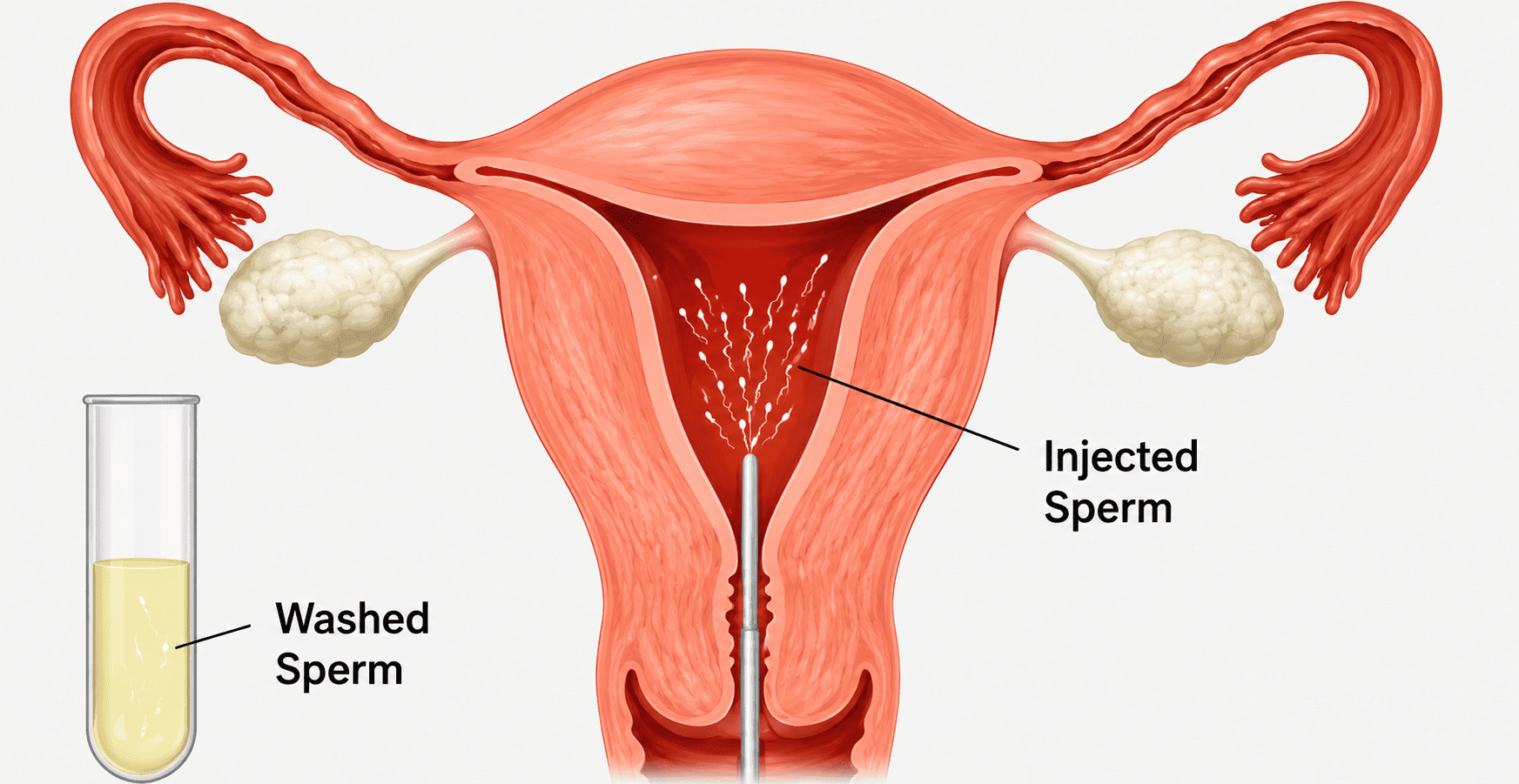
IUI for PCOS may be considered when ovulation induction has not resulted in pregnancy or when IUI is appropriate based on the overall fertility assessment. Age, sperm quality, ovulation and other fertility factors can influence the outcome.
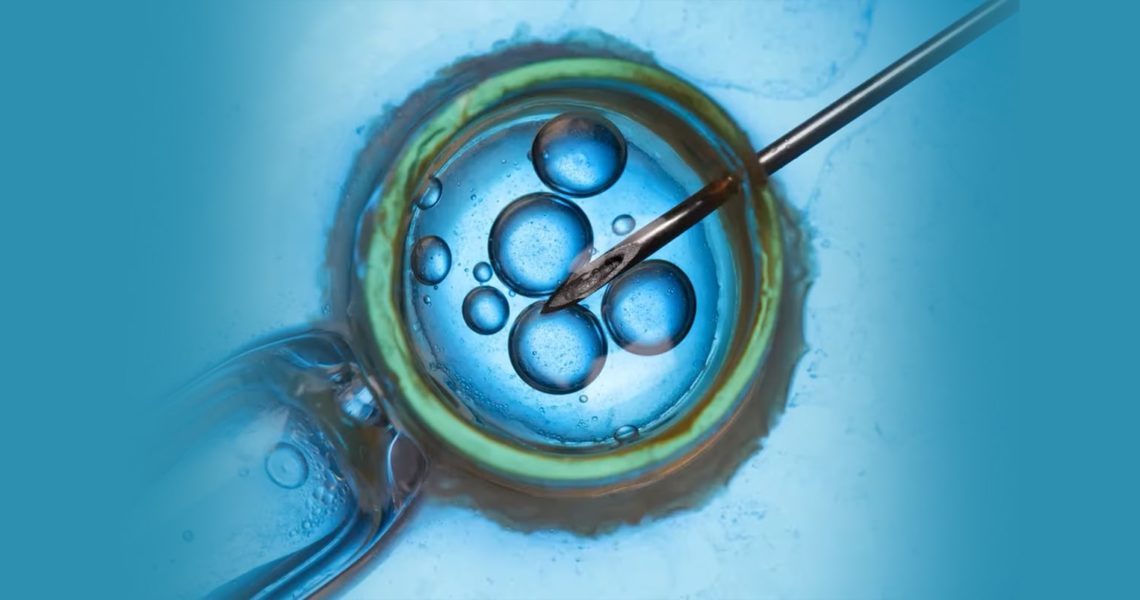
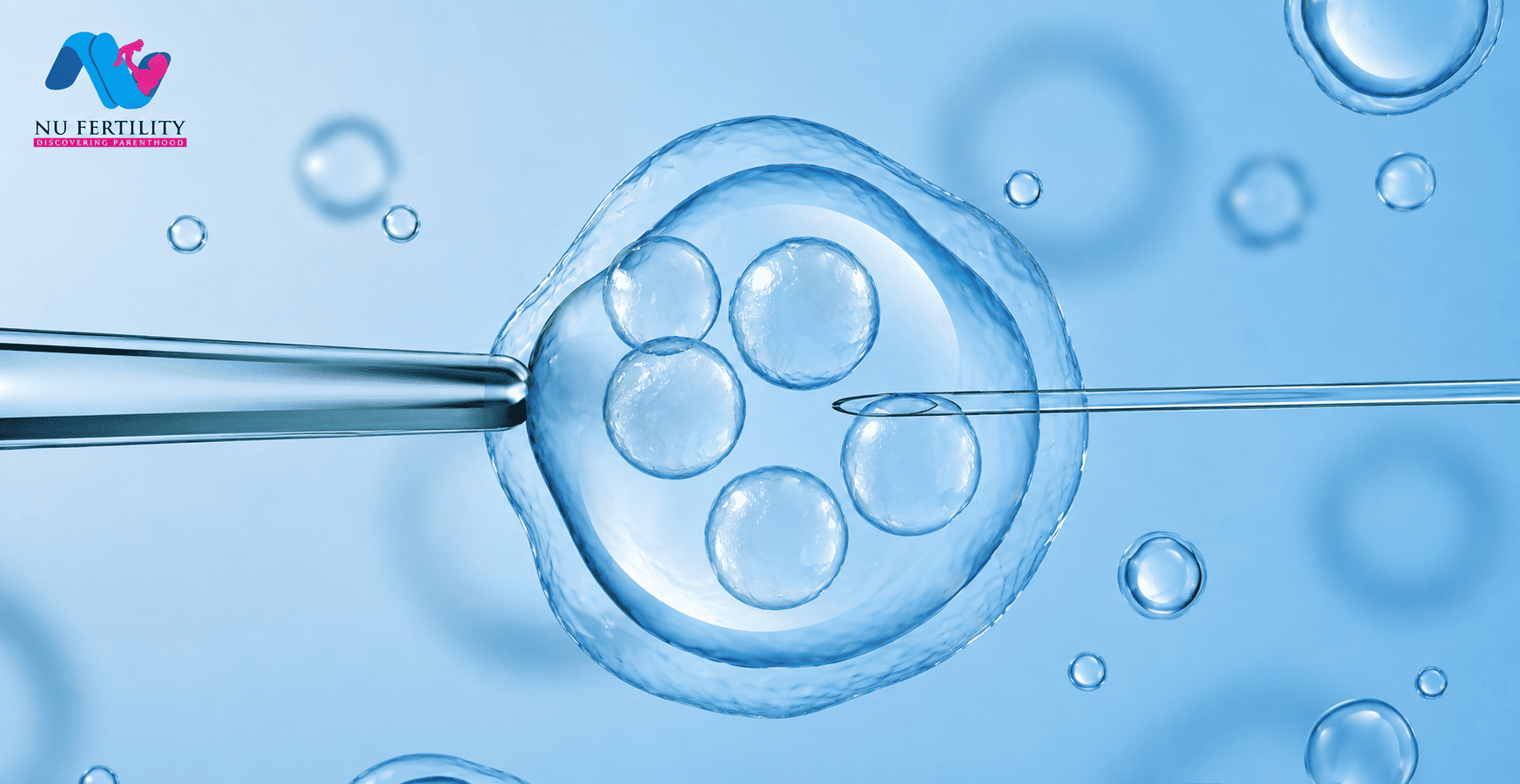
IVF for PCOS may be advised when other treatments have not worked or when additional fertility problems are present. Treatment involves controlled ovarian stimulation, egg retrieval, fertilisation and embryo transfer. Because PCOS can increase the risk of OHSS, stimulation and monitoring are carefully planned to reduce this risk.
Fertility preservation may be discussed based on age, ovarian reserve and reproductive plans. PCOS alone does not mean that fertility preservation is necessary.
The overall aim of PCOS treatment for pregnancy is to identify the main fertility barrier and choose an effective treatment while avoiding unnecessary intervention.
NU Fertility provides comprehensive female infertility services, including ovulation induction, IUI, IVF/ICSI, frozen embryo transfer and fertility preservation.
PCOS care may include:
The centre’s fertility services are supported by an advanced IVF laboratory and ultrasound facilities. NU Fertility states that its embryology laboratory follows ESHRE-based standards for appropriate culture conditions and quality monitoring.
Early evaluation can help identify the cause of delayed conception and guide appropriate treatment. Potential benefits include:
Managing PCOS before pregnancy can also help address metabolic and general health factors that are relevant to preconception and pregnancy care.
NU Fertility at NU Hospitals, Rajajinagar, Bengaluru, provides assessment and treatment for both male and female infertility. Its services include ovulation induction, IUI, IVF/ICSI, frozen embryo transfer and other reproductive treatments.
Women seeking PCOS fertility care can benefit from:
The aim is to understand the factors affecting fertility and provide a treatment pathway suited to the individual rather than applying the same approach to every woman.
Our team of IVF specialists in Bangalore have been known for their extensive clinical experience and research contributions and their success in treating the most challenging fertility cases.
MBBS, DGO, DNB (OBG), Fellowship in Reproductive Medicine
Consultant - IVF Specialist, Female Sexual Health & Gynaecology
MBBS, MS (Surg), DNB (Uro), ChM (Edinburgh), FECSM, Fellow Andrology (Spain)
Sr. Consultant Andrologist & Urologist
I would suggest this hospital for everyone especially who is struggling long time for baby. This hospital works so systematically that you don’t have to wait longer time to meet doctors. I must thank Rajitha who used to track immediately my files and send me to concerned person or place. Dr.Sneha has enlightened my life. She guided me in each step. Continuous monitoring of patient and guiding on each phase is very important which is totally taken care here by doctor. Unlike other hospitals , they don’t waste time and money. Please consult Dr.Sneha if you are planning for IUI or IVF. She is very kind and humble. My hearty thanks to Dr.Sneha.
S Revathi
Dr Sneha hands down is one of the best infertility specialist in town. With immense knowledge and the best credentials (of AIIMS and milan) yet she’s so humble and patient. I went through an ivf and she made it possible in the first shot. Happy to have twins🤗
She is always available to answer all doubts. After 3 years of disappointment from multiple doctors in Bangalore she undoubtedly has been the best and got me lucky. Thank you Dr Sneha for your time, patience and most importantly empathy and my twins🙏🏻🙏🏻
Chabi Anand
I met Dr Pramod Krishnappa. All my problems were cleared without any doubt. Service is good
Shiva
The NU Fertility and the work of Pramod sir require a lot of appreciation and due respect. The entire team and hospital staff are very kind and helpful nature including the outsourcing canteen staff and counter people. This hospital deserves international access God bless ? your team sir may you have all of god’s gifts and success.
Venugopal M
The consultation with Dr. Pramod was good and the staff helped a lot with the process too. Thank you for the treatment.
Chitra A L
Got my surgery done here. Special shout-out to Doctor Pramod, Doctor Gautam, and Doctor Ambika for their support. Wards are well maintained, and the nursing staff periodically keeps monitoring you very diligently. Mr Santosh ensured the smooth processing of insurance. Also, the canteen staff ensured the timely delivery of healthy, nutritious food. Overall, a positive experience.
Arvind Manavasi
Yes. Many women with PCOS conceive naturally, particularly when ovulation occurs regularly. Others may need medicines to induce ovulation or assisted fertility treatment.
PCOS is a long-term condition, but its symptoms and effects can change over time. There is no single treatment that permanently eliminates PCOS, but its reproductive and metabolic effects can be managed.
No. IVF is not required for every woman with PCOS. When anovulation is the only fertility problem, ovulation induction is generally considered first.
There is no single treatment for everyone. For anovulatory infertility without other infertility factors, current guidelines recommend letrozole as the preferred first-line medication for ovulation induction.
Consider an evaluation if you have very irregular or absent periods, known ovulation problems or difficulty conceiving. Earlier assessment may be appropriate when there are additional fertility concerns or when the woman is aged 35 years or older.
NU Fertility © 2026. All Rights Reserved. Terms of Use and Privacy Policy
 Female Infertility
  Ovulation Induction
  IUI
IUI  IVF/ICSI
  Frozen Embryo Transfer (FET)
  ERA Test
  IVM Fertility Preservation
  Laparoscopy and Hysteroscopy
  Men's Sexual Health
  Male Fertility Conditions