 Female Infertility
  Ovulation Induction
  IUI
IUI  IVF/ICSI
  Frozen Embryo Transfer (FET)
  ERA Test
  IVM Fertility Preservation
  Laparoscopy and Hysteroscopy
  Men's Sexual Health
  Male Fertility Conditions


 NU Fertility
 Uncategorized

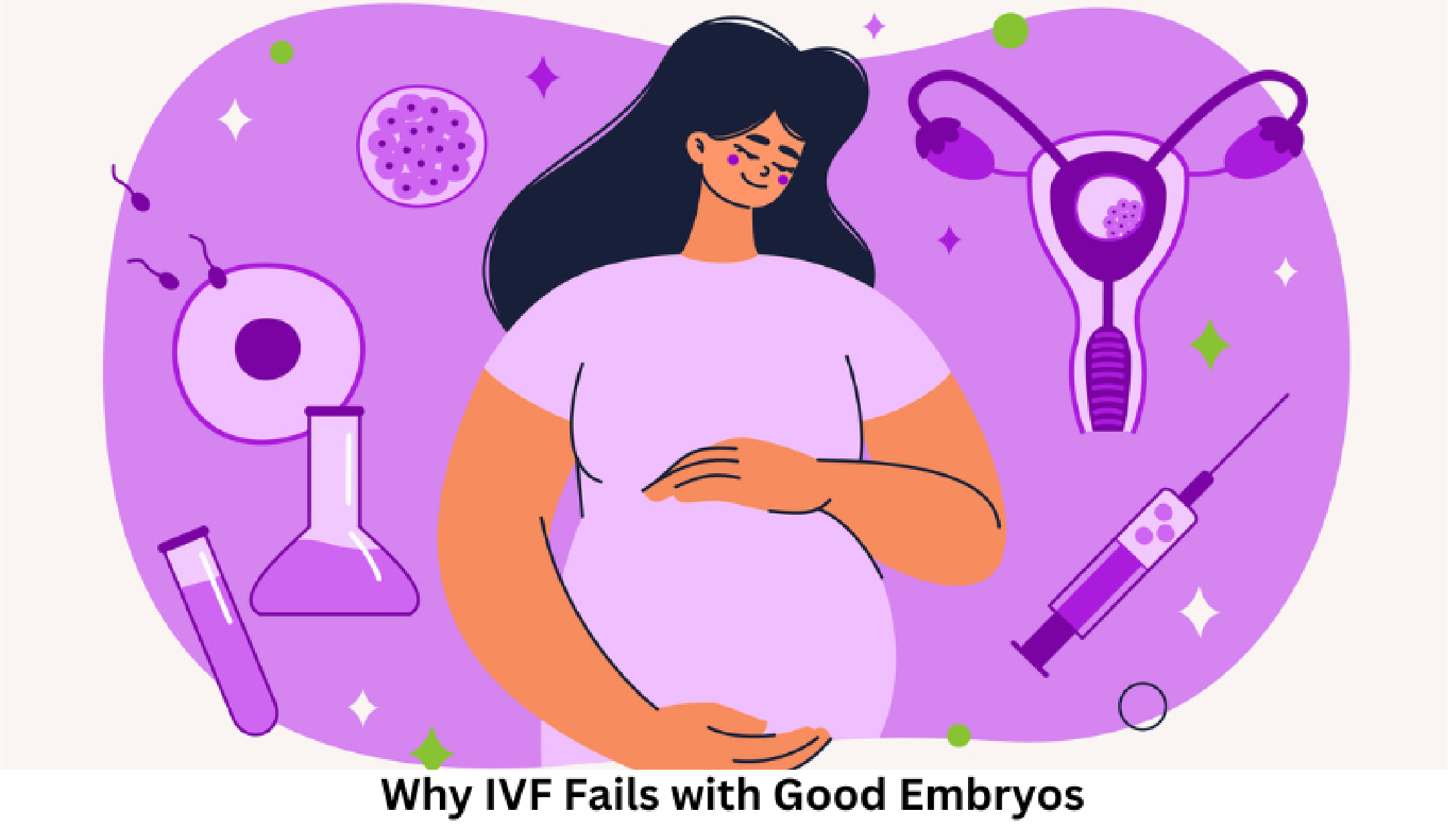
In vitro fertilization (IVF) is a medical procedure used to help individuals or couples who are experiencing infertility and difficulty conceiving. The process involves combining an egg and sperm outside the body in a laboratory to create an embryo, which is then transferred into the uterus. IVF is one of the most widely used assisted reproductive technologies and has helped many people pursue their goal of parenthood.
Essential Considerations Before Undertaking IVF Treatment
IVF can help individuals and couples overcome different fertility challenges. Before starting treatment, it is important to understand and prepare for the medical, emotional, and financial aspects involved.
Understanding Infertility
Before starting IVF, it is important to understand the possible cause of infertility. A fertility specialist can evaluate whether the problem is related to female factors, male factors, or a combination of both. Understanding the underlying cause can help guide the most appropriate treatment plan.
Financial Planning
IVF may involve significant treatment costs, so financial planning is important. Patients may need to consider the cost of consultations, medications, investigations, procedures, and the possibility of additional treatment cycles.
Choosing a Fertility Clinic
Choosing the right fertility clinic is an important part of the IVF process. Factors such as the experience of the medical team, available treatment options, laboratory facilities, communication, and the clinic’s approach to patient care may be considered while making a decision.
Medical Evaluation and Testing
Both partners may undergo medical evaluations and tests to assess their fertility. These investigations help the fertility specialist tailor the IVF treatment plan according to the couple’s individual needs and identify factors that may affect treatment.
Emotional Preparedness
IVF can be emotionally demanding and may involve periods of uncertainty, hope, and disappointment. Emotional support from a partner, family members, friends, counsellors, or support groups may help during the treatment process.
Understanding the IVF Process
Understanding the different stages of IVF can help patients know what to expect during treatment. The process generally involves ovarian stimulation, egg retrieval, fertilization, embryo culture, and embryo transfer.
Potential Risks and Complications
Patients should discuss the potential risks and side effects of IVF with their fertility specialist before starting treatment. These may include side effects related to fertility medications, ovarian hyperstimulation, multiple pregnancy, and procedure-related complications.
Lifestyle Changes
Healthy lifestyle habits may support overall reproductive health during fertility treatment. Patients may be advised to avoid smoking, limit or avoid alcohol, maintain a healthy weight, eat a balanced diet, get adequate sleep, and follow their doctor’s recommendations regarding physical activity.
Post-IVF Support and Follow-Up
Follow-up after IVF is important. Patients should attend scheduled appointments, take prescribed medications as directed, and contact their fertility specialist if they experience unusual symptoms or have concerns during the treatment process.
Do’s & Don’ts After IVF
After IVF or embryo transfer, patients should follow the specific instructions provided by their fertility specialist. Recommendations may vary depending on the individual treatment plan and medical condition. Some general do’s and don’ts include:
Do’s:
- Follow your doctor’s instructions: Your fertility specialist will provide guidance based on your individual treatment plan. Follow these instructions carefully. “`
- Take prescribed medications: Take all prescribed medicines, including hormonal medications or supplements, according to your doctor’s instructions. Do not stop or change the dosage without consulting your fertility specialist.
- Attend follow-up appointments: Attend all scheduled follow-up visits and investigations so your doctor can monitor your progress and provide further guidance.
- Maintain a healthy lifestyle: Follow a balanced diet, get adequate rest, and engage in light or moderate physical activity if your doctor advises that it is appropriate.
- Manage stress: IVF can be emotionally challenging. Relaxation techniques, counselling, mindfulness, or support from family and friends may help manage stress.
- Communicate with your partner: Open communication and mutual emotional support can be valuable throughout the IVF journey.
- Stay informed: Understanding your treatment plan and knowing what to expect can help you make informed decisions and reduce uncertainty during the process. “`
Don’ts:
- Avoid strenuous physical activity: Unless your doctor advises otherwise, avoid strenuous exercise or activities that may place excessive physical strain on the body immediately after treatment. “`
- Limit caffeine and avoid alcohol: Discuss safe caffeine intake with your doctor and avoid alcohol during fertility treatment and early pregnancy.
- Avoid smoking and recreational drugs: Smoking and recreational drug use can negatively affect fertility and pregnancy health and should be avoided.
- Avoid unnecessary stress: While stress cannot always be avoided, relaxation, adequate sleep, and emotional support may help improve overall well-being during treatment.
- Don’t self-diagnose or self-treat: If you experience unusual symptoms or have concerns, contact your fertility specialist rather than changing medications or trying treatments without medical advice. “`
Starting IVF requires preparation and consideration of several factors, including medical evaluation, emotional well-being, finances, lifestyle, and the treatment process itself. Being well-informed and maintaining regular communication with your fertility specialist can help you navigate the IVF journey with greater clarity.
NU Fertility provides fertility evaluation and assisted reproductive treatments for individuals and couples experiencing difficulty conceiving. Depending on the underlying fertility condition and individual needs, specialists may recommend in vitro fertilization (IVF) treatment or other fertility options as part of a personalized treatment plan.
References:
- IVF. National Library of Medicine.
- Preparing for IVF. Society for Assisted Reproductive Technology.
- 10 Things You Should Know About IVF. CREATE Fertility.
- In Vitro Fertilisation (IVF). Human Fertilisation & Embryology Authority.