MBBS, DGO, DNB (OBG), Fellowship in Reproductive Medicine
Consultant - IVF Specialist, Female Sexual Health & Gynaecology

MBBS, MS (Surg), DNB (Uro), ChM (Edinburgh), FECSM, Fellow Andrology (Spain)
Sr. Consultant Andrologist & Urologist
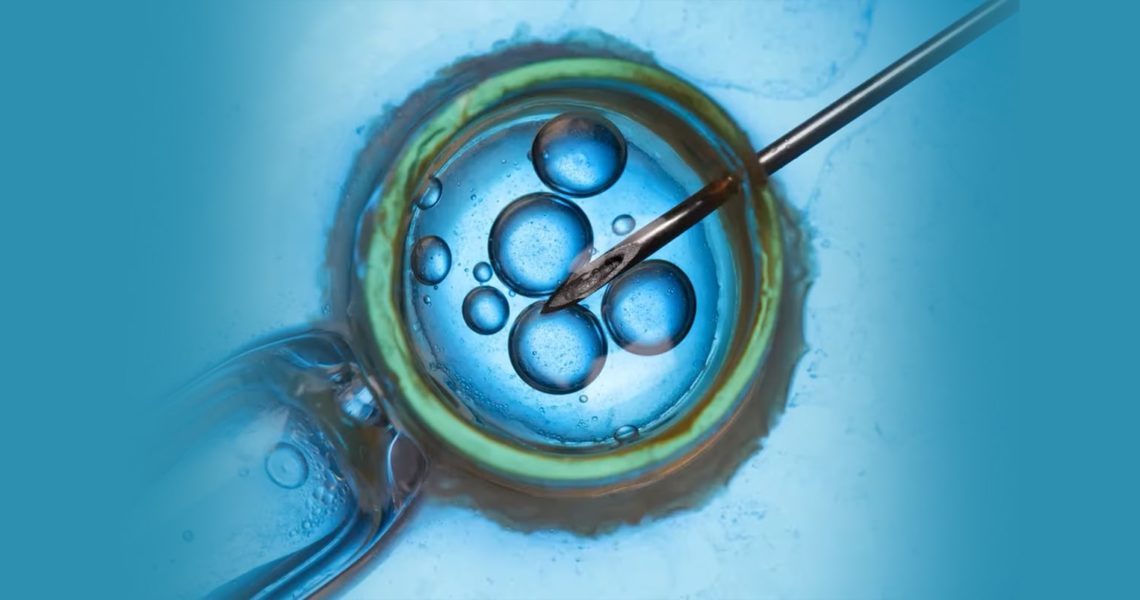
Ovulation Induction treatment in Bangalore uses fertility medications to stimulate the ovaries. This process develops and releases one or more mature eggs in women who ovulate irregularly or do not ovulate at all. It is often a first-line fertility treatment for women with ovulatory disorders and may be combined with timed intercourse or ART technologies like IUI or IVF in selected cases.
It helps restore or improve ovulation while carefully monitoring follicular development to optimise the timing of ovulation, maximise the chances of conception, and minimise certain complications. The treatment begins with a complete fertility evaluation of both partners to identify the underlying cause of infertility.
However, it is also important to understand that ovulation induction is not suitable for every woman. Hence, it is recommended only after the cause of infertility has been identified.
Treatment is based on factors such as age, ovarian reserve, menstrual history, infertility diagnosis, hormone profile, BMI, and reproductive goals. Experienced fertility specialists at NU Fertility follow an evidence-based approach with advanced follicular monitoring and individualised medication protocols.
Table Of Contents
Ovulation induction is a fertility treatment that uses medications to stimulate the ovaries to develop and release a mature egg. This is most often done when ovulation is irregular or absent due to an ovulatory disorder.
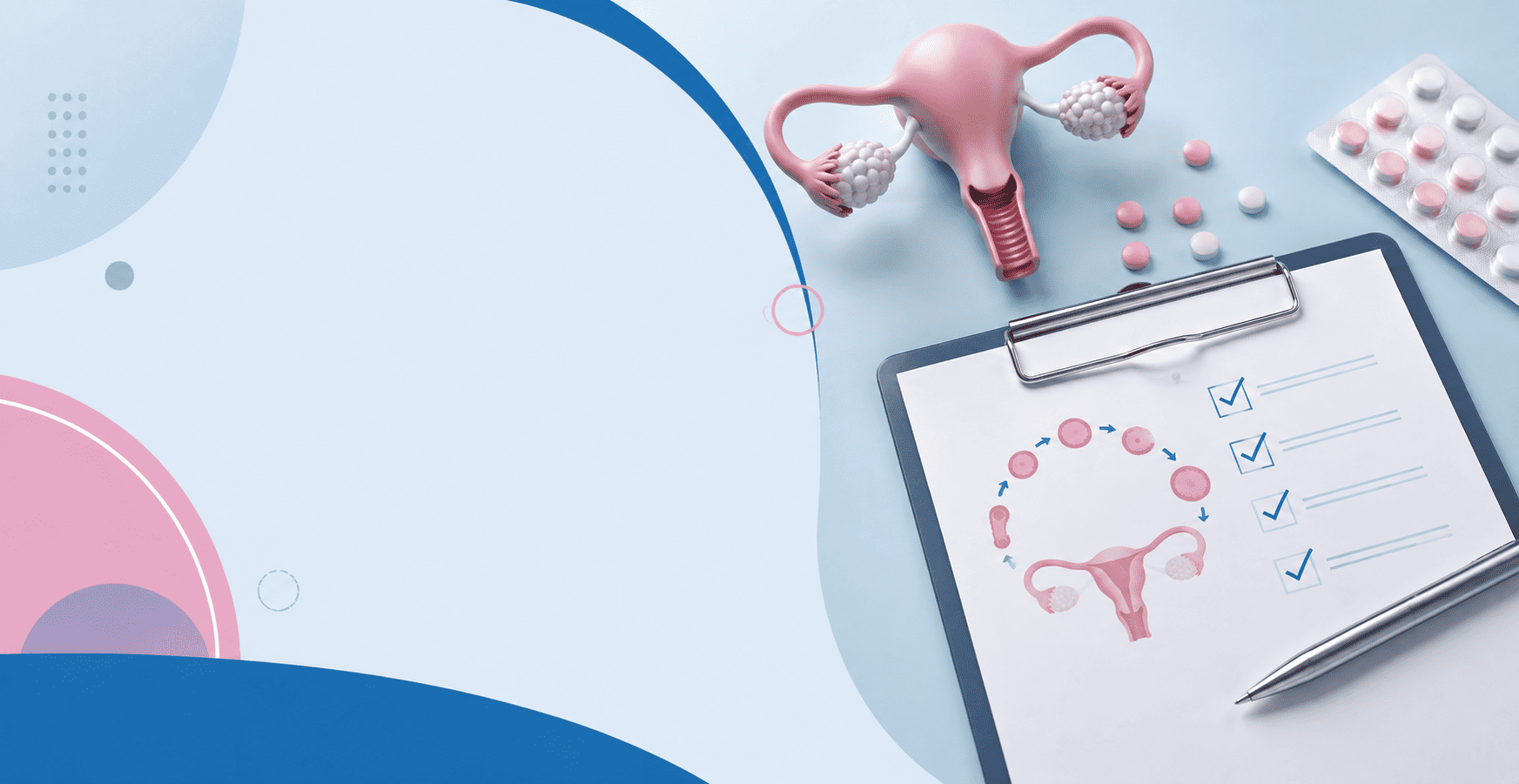
In natural ovulation, hormonal signals naturally stimulate follicular growth and egg release. However, medically induced ovulation uses fertility medications to help stimulate egg growth and its release. Most cycles aim to develop and release one mature egg. During the process, the doctors assess the ovaries and follicles using ultrasound to ensure that ovulation is taking place.
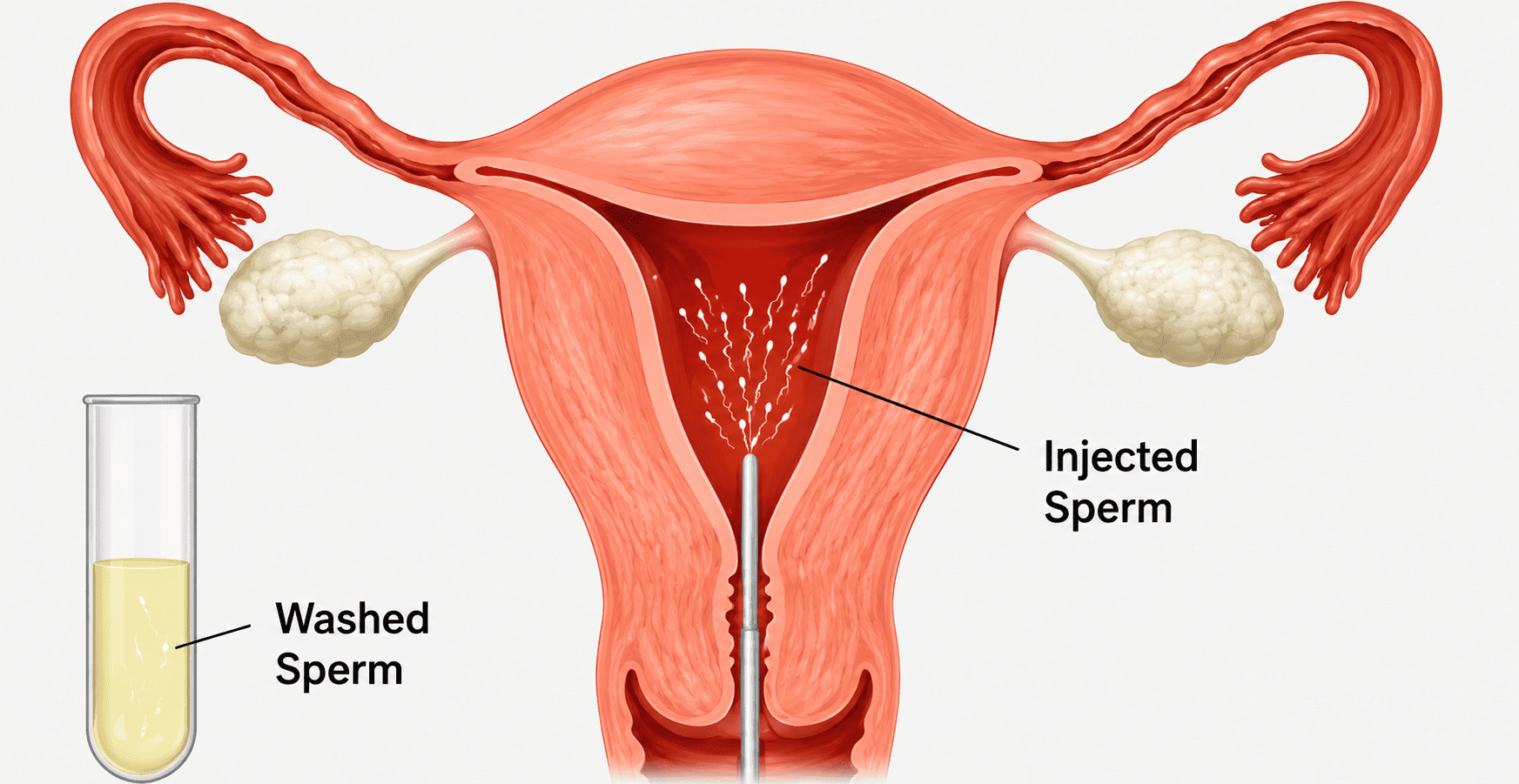
Depending on the fertility diagnosis, ovulation induction may be combined with timed intercourse, IUI, or, in selected cases, form part of a treatment plan involving IVF. It differs from IVF ovarian stimulation, which intentionally develops multiple mature eggs for retrieval and laboratory fertilisation.
Ovulation induction treatment is recommended after a fertility evaluation identifies ovulatory dysfunction or selected infertility conditions. Whether the treatment is suitable depends on the cause of infertility and other factors that may be affecting fertility.
Ovulation disorders are one of the most common causes of female infertility. When ovulation does not occur regularly, the release of an egg becomes unpredictable. Sometimes, the ovaries may not release an egg at all, which can make conception more difficult.
Ovulation induction may be considered in women with:
Anovulation refers to the absence of ovulation, while oligo-ovulation refers to infrequent or irregular ovulation. Both conditions can interfere with the availability of an egg for fertilisation.
Note: Menstrual history, hormone evaluation, ultrasound assessment, and other fertility investigations can help determine the most appropriate fertility treatment in Bangalore.
Polycystic ovary syndrome (PCOS) is commonly associated with irregular or absent ovulation. Hormonal and ovarian changes associated with PCOS can result in fewer ovulatory cycles, which may contribute to difficulty conceiving.
Ovulation induction for PCOS may be considered a first-line fertility treatment when irregular or absent ovulation is the primary fertility concern. The medication and monitoring approach are selected depending on the patient’s hormonal profile, ovarian response, age, and other fertility factors.
Certain hypothalamic and hormonal disorders can interfere with the hormonal signals required for normal ovulation. Ovulation induction may be considered after appropriate assessment of the underlying condition.
Relevant conditions may include:
Treatment of certain hormonal disorders may also be an important part of fertility management.
Note: Ovulation induction is considered only when it is clinically appropriate for the individual fertility diagnosis.
Ovulation induction alone may not be suitable if other factors affect the ability of sperm and egg to meet. Here’s when ovulation induction may not be recommended:
For women with bilateral blocked fallopian tubes, ovulation induction might not be able to help much with the physical obstruction. Similarly, severe male factor infertility may require IUI, IVF, or other appropriate fertility treatments rather than ovulation induction alone.
Note: Women with extremely diminished ovarian reserve or conditions that may require advanced reproductive treatment may also need alternative fertility strategies. Fertility specialists assess the requirement based on the overall fertility examination.
Ovulation induction is carried out in carefully monitored stages to optimise follicular development and accurately time ovulation. The treatment process is personalised as per the underlying causes, their diagnosis, and ovarian response.
Doctors usually begin the assessment at the beginning of the menstrual cycle, which may include:
Note: During the assessment, factors such as age, ovarian reserve, menstrual history, infertility diagnosis, hormone profile, BMI, and reproductive goals may be considered to develop a treatment plan.
Medication is selected according to the underlying diagnosis and ovarian response. Depending on the clinical situation, treatment may involve:
During the treatment cycle, doctors monitor follicular development using ultrasound. It allows the fertility specialist to assess the number and growth of follicles and determine the appropriate timing of ovulation.
A pregnancy test is generally performed approximately two weeks after ovulation. The result is reviewed during follow-up with the fertility specialist. It is mostly advised to take a pregnancy test on the first day when the patient misses their period.
When pregnancy occurs, appropriate pregnancy follow-up is arranged. When pregnancy does not occur, a follow-up consultation helps assess the treatment response and determine whether another ovulation induction cycle or a different fertility treatment may be appropriate.
The type of medication used depends on the woman’s diagnosis and ovarian response. Common medications used for ovulation induction include:
The choice of medication also depends on the underlying cause of ovulatory dysfunction, ovarian response, and other individual fertility factors. Hence, assessment is very important to make sure that the cause is properly identified and the most suitable treatment option is chosen.
Ovulation induction treatment can provide several potential benefits for women whose fertility difficulties are associated with irregular or absent ovulation. Some of the benefits might include:
Ovulation induction is intended to address ovulatory problems and create a more favourable opportunity for conception when clinically appropriate. Remember that it does not guarantee pregnancy, as conception depends on several female and male fertility factors.
Ovulation induction is generally safe when carefully monitored by fertility specialists. However, potential risks and complications can occur, particularly when the ovaries respond excessively to fertility medication. Risks and possible complications may include:
Regular ultrasound monitoring helps fertility specialists assess follicular development and ovarian response. When the ovarian response is considered excessive, treatment can be modified, or the cycle can be cancelled to improve safety.
Note: It is advised to visit the fertility specialist as soon as a person experiences any of the above signs of complications.
NU Fertility combines specialised fertility care, advanced assessment, and personalised treatment planning for women undergoing ovulation induction.
NU Fertility consistently remains committed to personalised, evidence-based fertility care. We focus on optimising natural conception whenever ovulation induction is clinically appropriate.
Our team of IVF specialists in Bangalore have been known for their extensive clinical experience and research contributions and their success in treating the most challenging fertility cases.
MBBS, DGO, DNB (OBG), Fellowship in Reproductive Medicine
Consultant - IVF Specialist, Female Sexual Health & Gynaecology
MBBS, MS (Surg), DNB (Uro), ChM (Edinburgh), FECSM, Fellow Andrology (Spain)
Sr. Consultant Andrologist & Urologist
I would suggest this hospital for everyone especially who is struggling long time for baby. This hospital works so systematically that you don’t have to wait longer time to meet doctors. I must thank Rajitha who used to track immediately my files and send me to concerned person or place. Dr.Sneha has enlightened my life. She guided me in each step. Continuous monitoring of patient and guiding on each phase is very important which is totally taken care here by doctor. Unlike other hospitals , they don’t waste time and money. Please consult Dr.Sneha if you are planning for IUI or IVF. She is very kind and humble. My hearty thanks to Dr.Sneha.
S Revathi
Dr Sneha hands down is one of the best infertility specialist in town. With immense knowledge and the best credentials (of AIIMS and milan) yet she’s so humble and patient. I went through an ivf and she made it possible in the first shot. Happy to have twins🤗
She is always available to answer all doubts. After 3 years of disappointment from multiple doctors in Bangalore she undoubtedly has been the best and got me lucky. Thank you Dr Sneha for your time, patience and most importantly empathy and my twins🙏🏻🙏🏻
Chabi Anand
I met Dr Pramod Krishnappa. All my problems were cleared without any doubt. Service is good
Shiva
The NU Fertility and the work of Pramod sir require a lot of appreciation and due respect. The entire team and hospital staff are very kind and helpful nature including the outsourcing canteen staff and counter people. This hospital deserves international access God bless ? your team sir may you have all of god’s gifts and success.
Venugopal M
The consultation with Dr. Pramod was good and the staff helped a lot with the process too. Thank you for the treatment.
Chitra A L
Got my surgery done here. Special shout-out to Doctor Pramod, Doctor Gautam, and Doctor Ambika for their support. Wards are well maintained, and the nursing staff periodically keeps monitoring you very diligently. Mr Santosh ensured the smooth processing of insurance. Also, the canteen staff ensured the timely delivery of healthy, nutritious food. Overall, a positive experience.
Arvind Manavasi
Ovulation induction treatment uses fertility medications to stimulate the ovaries and support the development and release of a mature egg in women with irregular or absent ovulation.
Women with anovulation, oligo-ovulation, irregular menstrual cycles, PCOS, or selected hormonal disorders may be suitable after a comprehensive fertility evaluation.
Ovulation induction is generally minimally invasive. Oral medications do not involve a procedure, while injectable medications may cause minor discomfort at the injection site.
Common medications include letrozole, clomiphene citrate, gonadotropin injections, and hCG trigger injections. Selection depends on the diagnosis and ovarian response.
Ovulation is primarily monitored through ultrasound follicular tracking. Hormone evaluation may also be used when clinically appropriate to assess ovarian response and ovulation timing.
NU Fertility © 2026. All Rights Reserved. Terms of Use and Privacy Policy
 Female Infertility
  Ovulation Induction
  IUI
IUI  IVF/ICSI
  Frozen Embryo Transfer (FET)
  ERA Test
  IVM Fertility Preservation
  Laparoscopy and Hysteroscopy
  Men's Sexual Health
  Male Fertility Conditions