MBBS, DGO, DNB (OBG), Fellowship in Reproductive Medicine
Consultant - IVF Specialist, Female Sexual Health & Gynaecology

MBBS, MS (Surg), DNB (Uro), ChM (Edinburgh), FECSM, Fellow Andrology (Spain)
Sr. Consultant Andrologist & Urologist
Infertility in females is medically defined as the inability to conceive after a year of regular, unprotected intercourse in women under 35, or after six months in women aged 35 or older. There can be “primary infertility”, which refers to difficulty achieving a first pregnancy, while “secondary infertility” occurs when conception becomes difficult after a previous pregnancy. Early evaluation may be appropriate when irregular or absent periods, suspected endometriosis, or tubal problems are present.
It is important to know that female infertility can have several identifiable and treatable causes. Moreover, infertility is different from delayed conception, as some couples may naturally take longer to conceive. However, persistent difficulty may indicate an underlying reproductive, hormonal or structural issue. Male factors can also contribute, so both partners should undergo fertility assessment.
At NU Hospitals, female infertility treatment in Bangalore is personalised according to age, ovarian reserve, reproductive history, diagnosis, duration of infertility and fertility goals. NU Fertility offers personalised fertility care supported by fertility specialists, advanced diagnostics and assisted reproductive treatments in Bangalore.
Female infertility refers to difficulty conceiving due to factors affecting ovulation, ovarian function, fallopian tubes, uterus or other parts of the reproductive system. Female infertility can be divided into two parts:
Note: Infertility is different from delayed conception, as pregnancy may naturally take longer for some couples.
Fertility evaluation is generally recommended after 12 months of regular unprotected intercourse for women under 35 and after 6 months for women aged 35 or older. Evaluating the condition can help identify the underlying cause and chart appropriate treatment plans.
Infertility itself may not cause noticeable symptoms. Difficulty conceiving is often the main indication that fertility assessment may be required. However, menstrual, hormonal and reproductive symptoms can suggest conditions associated with affected fertility.
Common signs and symptoms may include:
Note: The presence of one of these symptoms does not confirm infertility. A fertility evaluation is needed to determine whether an underlying condition is affecting conception.
Female infertility may result from one or several factors affecting ovulation, egg quality, the fallopian tubes, uterus or other parts of the reproductive system. Identifying the underlying female infertility causes through a fertility evaluation helps doctors select the most suitable treatment.
Ovulation disorders happen when an egg is not released regularly or ovulation does not occur. Because ovulation is necessary for natural conception, disrupted ovulation can make getting pregnant difficult. Irregular periods, missed periods and difficulty predicting fertile periods may occur.
Causes of ovulation disorder may include:
The fallopian tubes provide the pathway through which sperm and egg meet and through which an early embryo travels toward the uterus. Blocked fallopian tubes or tubal damage can therefore interfere with fertilisation or embryo transport.
Some of the possible causes may include:
Tubal disease may occur without obvious symptoms, which is why assessment of tubal patency can be an important part of infertility evaluation.
Uterine abnormalities may interfere with embryo implantation or, in some cases, increase the risk of miscarriage. Potential uterine factors include:
Ultrasound and other uterine investigations can help identify structural abnormalities when clinically indicated.
Endometriosis usually occurs when tissue similar to the uterine lining grows outside the uterus. It can affect the ovaries, fallopian tubes and surrounding pelvic structures.
The condition may contribute to infertility through inflammation, adhesions, changes around the reproductive organs and effects on ovarian function. In some cases, endometriosis may affect egg quality, fertilisation or embryo implantation.
The extent of endometriosis does not always correspond directly with the degree of fertility difficulty, making individual evaluation important.
Ovarian reserve refers to the remaining supply of eggs in the ovaries. Fertility naturally declines with age, as both the number and quality of available eggs change. Female age is considered an important predictor of reproductive potential.
Age-related fertility decline may include:
Ovarian reserve testing can provide information about the expected response to ovarian stimulation, but it does not independently determine whether natural conception is possible. Results need to be interpreted alongside age, medical history and other fertility factors.
Premature ovarian insufficiency (POI) occurs when the ovaries stop functioning normally before a woman reaches age 40. It might result in irregular or absent menstrual periods, reduced oestrogen production and difficulty conceiving.
Potential associations include:
Sometimes the causes can be unknown. Hence, evaluation may include hormone testing, ovarian reserve assessment and additional investigations depending on the clinical situation.
The cervix forms the passage between the vagina and uterus. Some cervical conditions may make it difficult for sperm to pass through the cervix.
Possible conditions may include:
Certain health and lifestyle factors may influence hormonal balance, ovulation, egg quality or the likelihood of successful implantation. These factors do not necessarily cause infertility on their own, and their effects vary between individuals.
Potential factors include:
NU Fertility also identifies weight-related factors, smoking, alcohol and high stress among factors that may affect reproductive health.
Lifestyle factors should therefore be considered as part of a broader fertility assessment rather than presented as the sole explanation for difficulty conceiving.
Unexplained infertility is diagnosed when standard fertility investigations do not identify a clear cause despite findings such as regular ovulation, apparently healthy fallopian tubes, a normal uterine evaluation and no significant sperm-related concerns in the partner.
A diagnosis of unexplained infertility does not mean that treatment cannot be effective. Treatment can be selected according to factors such as age, duration of infertility, ovarian reserve, previous treatment history and individual fertility goals.
Female infertility may involve one or more reproductive factors. Identifying the underlying cause helps the fertility specialist recommend treatment according to the woman’s age, ovarian reserve, reproductive history and fertility goals.
A personalised fertility evaluation may therefore be advised before treatment begins. Appropriate testing can help distinguish between ovulation problems, tubal disorders, uterine conditions, ovarian factors, endometriosis, male-factor infertility and unexplained infertility.
Fertility tests help assess ovulation, ovarian reserve, the uterus and fallopian tubes. The investigations recommended depend on the woman’s age, menstrual history, symptoms, medical background and suspected cause of infertility.
NU Fertility describes diagnostic assessment involving hormone testing, ultrasound, ovarian reserve testing and investigations of the reproductive tract.
Blood and imaging tests can help determine whether ovulation is occurring and whether hormonal conditions may be affecting reproductive function. These may include:
The doctors decide the time and type of hormone testing depending on the menstrual cycle and clinical circumstances.
Ovarian reserve assessment may tell how many eggs are remaining and the expected ovarian response during fertility treatment.
Common tests include:
Ovarian reserve testing may be particularly relevant for women of advanced reproductive age or those with a history of ovarian surgery, chemotherapy or pelvic radiation. NU Fertility specifically lists advanced maternal age, previous ovarian surgery, chemotherapy and pelvic radiation as situations in which AMH assessment may be relevant.
Imaging investigations can evaluate the reproductive organs and identify structural or tubal abnormalities. They may include:
HSG and Sonohysterography may be selected as per the current clinical situation and individual circumstances.
Additional investigations may be recommended in selected cases, which can include:
Not every woman requires every fertility test. The fertility specialist selects appropriate investigations based on the suspected cause, symptoms, age, reproductive history, and previous test results.
A comprehensive fertility evaluation may also include semen analysis because male factors can contribute to infertility, even when there are no obvious symptoms in the male partner.
Female infertility treatment depends on the underlying diagnosis, age, ovarian reserve, duration of infertility and previous treatment history. Treatment may include monitoring and medication, assisted reproductive techniques, or sometimes minimally invasive surgery may also be recommended.
Note: Appropriate fertility treatment options are selected after thorough evaluation, rather than using a single treatment for every woman.
Lifestyle modification may be part of fertility care when health or lifestyle factors affect reproductive function. Some lifestyle modifications suggested can be:
Lifestyle measures do not replace medical treatment when an identifiable fertility disorder is present. It just helps ensure that the treatment is working properly.
Follicular tracking uses ultrasound examinations to monitor follicle development during the menstrual cycle. It can help determine whether a dominant follicle is developing and identify the approximate timing of ovulation.
NU Fertility describes follicular tracking as a non-invasive approach. It can be used to monitor follicle growth and identify the fertile period.
Ovulation induction uses fertility medicines to stimulate or regulate ovulation in women who do not ovulate regularly. It may be considered for conditions such as certain forms of PCOS-related ovulation dysfunction.
Ovulation induction may be combined with timed intercourse or other fertility treatments depending on the diagnosis.
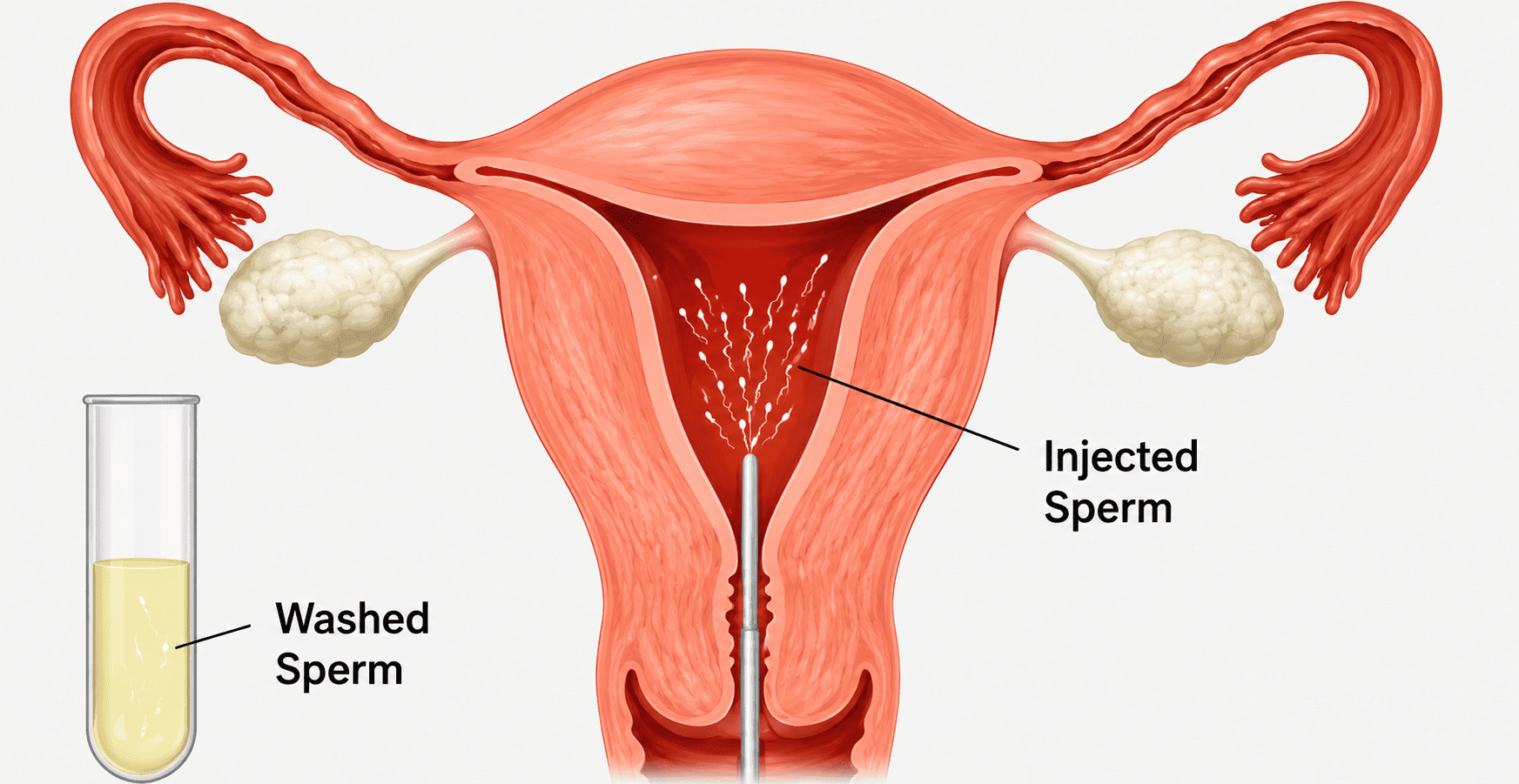
IUI treatment involves placing prepared sperm directly into the uterus around the time of ovulation. It can reduce the distance sperm must travel to reach the fallopian tubes.
IUI may be considered in selected cases of unexplained infertility, certain ovulation disorders, cervical factors or mild male-factor infertility. It may be performed during a natural cycle or alongside ovulation-inducing medication depending on the treatment plan.
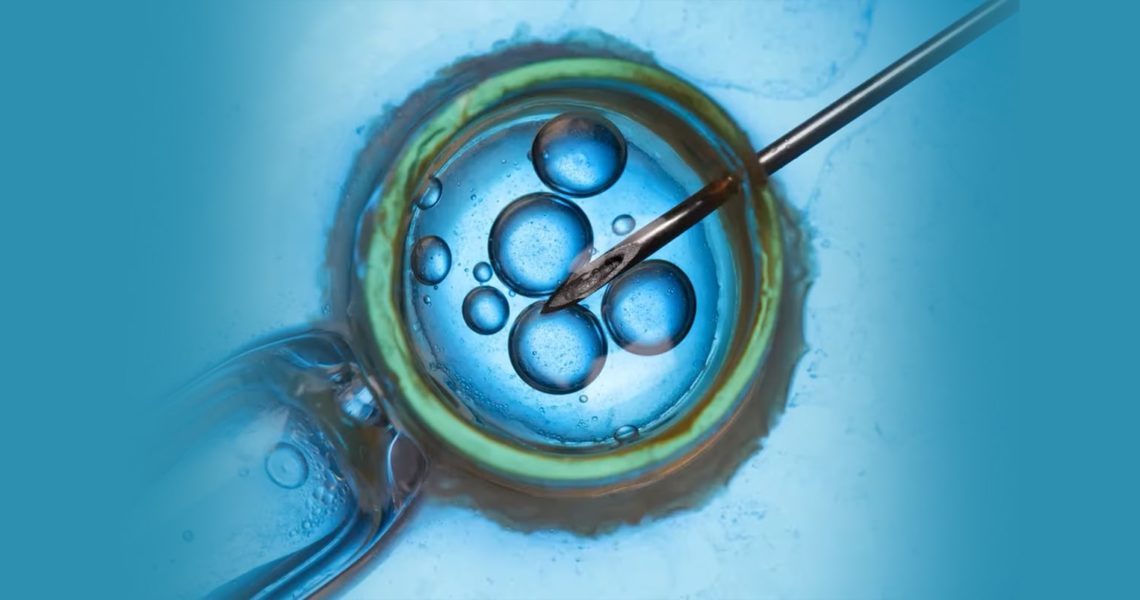
In vitro fertilisation involves stimulating the ovaries, retrieving eggs, fertilising them with sperm in a laboratory, and transferring the resulting embryos into the uterus.
IVF for women may be considered when conditions such as tubal blockage, significant endometriosis, reduced ovarian function, certain male-factor problems or unsuccessful previous treatments make other approaches less suitable.
The decision to proceed with IVF depends on the individual clinical picture rather than diagnosis alone.
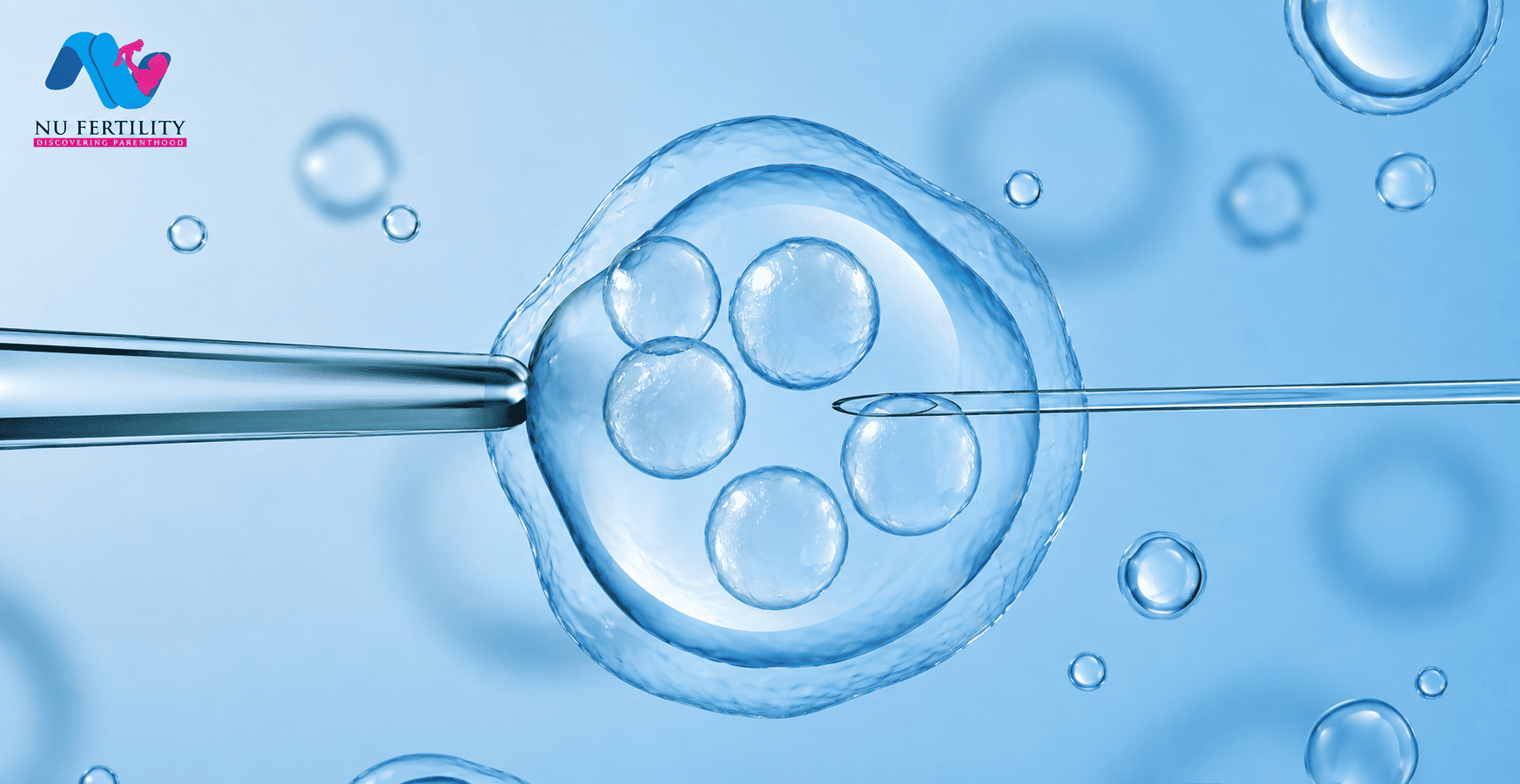
Intracytoplasmic sperm injection involves injecting a single sperm directly into an egg during an IVF cycle. It is particularly relevant when fertilisation may be difficult due to significant sperm-related factors or prior fertilisation problems.
Although ICSI is an important assisted reproductive technique, it is not automatically required for every IVF cycle. Its use is determined by the clinical circumstances.
Frozen embryo transfer involves transferring a previously created and cryopreserved embryo into the uterus during a later cycle.
The uterine lining can be prepared through a natural or medically supported cycle depending on the woman’s menstrual pattern and treatment plan. FET may be used after an IVF cycle or when embryos have been preserved for future treatment.
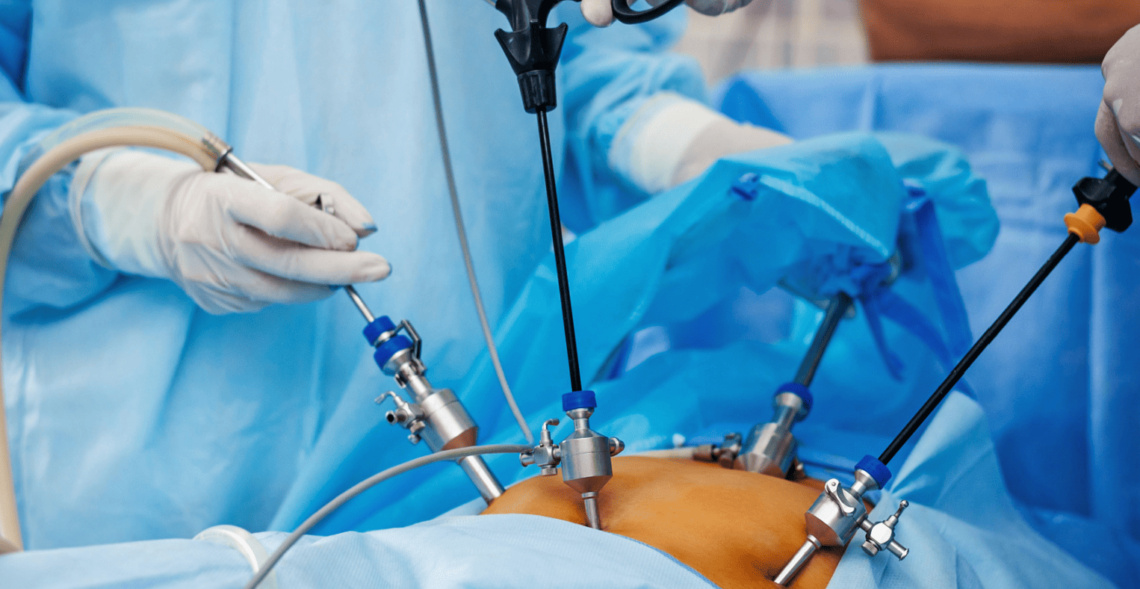
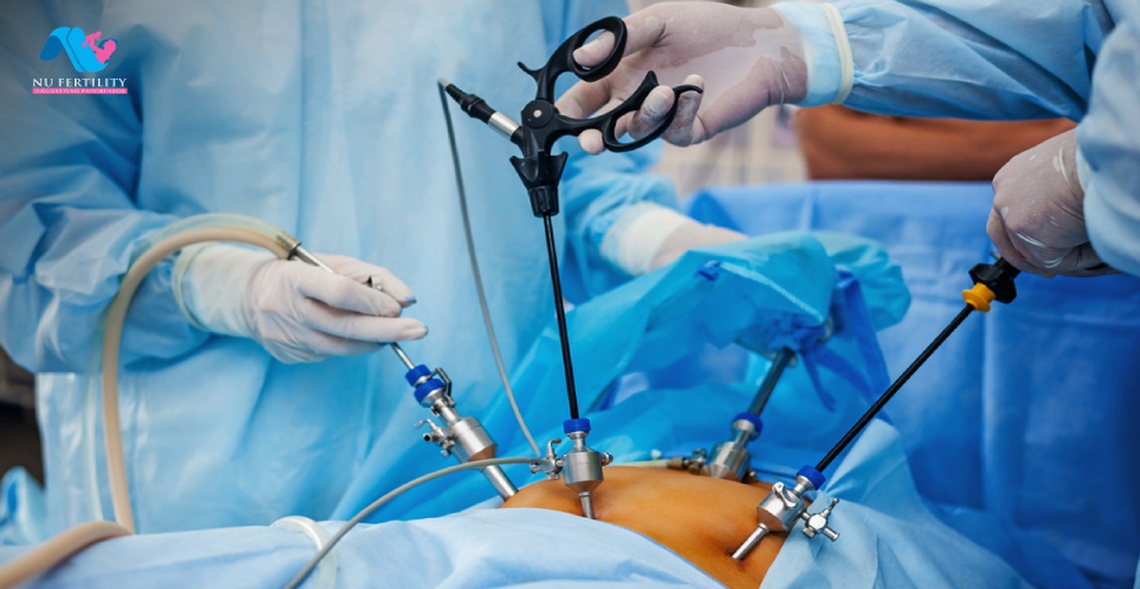
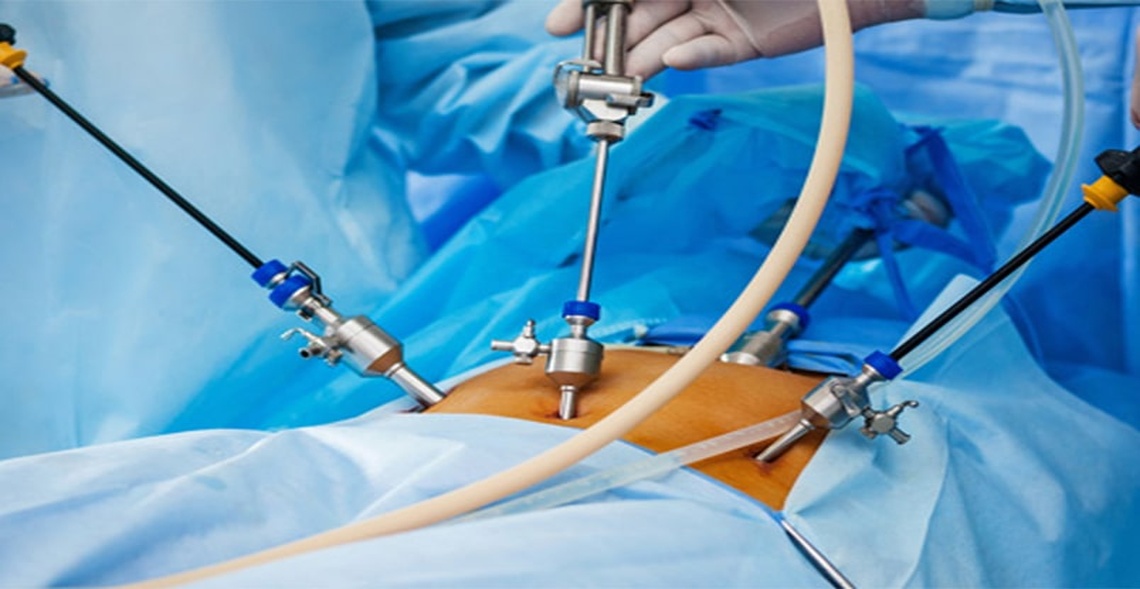
Surgical treatment may be considered when a structural abnormality is contributing to infertility or when surgery can provide useful diagnostic or therapeutic information.
Procedures may include:
Donor egg IVF may be considered when the woman’s own eggs are unlikely to provide a reasonable opportunity for pregnancy, such as in certain cases of significantly reduced ovarian function or premature ovarian insufficiency.
The suitability of donor egg treatment depends on medical, reproductive and individual circumstances and requires appropriate counselling and evaluation. NU Fertility specialists in Bangalore assess suitability through tests and examinations.
Several factors can influence the outcome of fertility treatment, and it is a must to remember that no treatment can guarantee pregnancy or a live birth.
Important factors include:
Note: Ovarian reserve testing should be interpreted in the context of age, diagnosis, risk factors, and previous treatment, rather than as an isolated prediction of fertility.
NU Fertility provides personalised fertility care supported by specialist evaluation, advanced diagnostics and assisted reproductive services.
NU Fertility provides personalised fertility care through experienced fertility specialists, advanced fertility diagnostics and evidence-based treatment protocols. Its modern embryology laboratory supports assisted reproductive treatments, while multidisciplinary fertility care addresses various aspects of reproductive health. We offer personalised treatment plans depending on the patient’s diagnosis, reproductive history and fertility goals.
The fertility centre also focuses on transparent counselling, compassionate patient support and comprehensive reproductive services. These include care for female and male infertility, ovulation induction, IUI, IVF/ICSI, frozen embryo transfer, fertility preservation, laparoscopy and hysteroscopy. Thus, allowing different fertility treatment needs to be managed within an integrated care setting.
Book Your Appointment Today!
A fertility consultation at NU Fertility can provide an opportunity for comprehensive reproductive assessment, diagnosis and personalised treatment planning.
Our team of IVF specialists in Bangalore have been known for their extensive clinical experience and research contributions and their success in treating the most challenging fertility cases.
MBBS, DGO, DNB (OBG), Fellowship in Reproductive Medicine
Consultant - IVF Specialist, Female Sexual Health & Gynaecology
MBBS, MS (Surg), DNB (Uro), ChM (Edinburgh), FECSM, Fellow Andrology (Spain)
Sr. Consultant Andrologist & Urologist
I would suggest this hospital for everyone especially who is struggling long time for baby. This hospital works so systematically that you don’t have to wait longer time to meet doctors. I must thank Rajitha who used to track immediately my files and send me to concerned person or place. Dr.Sneha has enlightened my life. She guided me in each step. Continuous monitoring of patient and guiding on each phase is very important which is totally taken care here by doctor. Unlike other hospitals , they don’t waste time and money. Please consult Dr.Sneha if you are planning for IUI or IVF. She is very kind and humble. My hearty thanks to Dr.Sneha.
S Revathi
Dr Sneha hands down is one of the best infertility specialist in town. With immense knowledge and the best credentials (of AIIMS and milan) yet she’s so humble and patient. I went through an ivf and she made it possible in the first shot. Happy to have twins🤗
She is always available to answer all doubts. After 3 years of disappointment from multiple doctors in Bangalore she undoubtedly has been the best and got me lucky. Thank you Dr Sneha for your time, patience and most importantly empathy and my twins🙏🏻🙏🏻
Chabi Anand
I met Dr Pramod Krishnappa. All my problems were cleared without any doubt. Service is good
Shiva
The NU Fertility and the work of Pramod sir require a lot of appreciation and due respect. The entire team and hospital staff are very kind and helpful nature including the outsourcing canteen staff and counter people. This hospital deserves international access God bless ? your team sir may you have all of god’s gifts and success.
Venugopal M
The consultation with Dr. Pramod was good and the staff helped a lot with the process too. Thank you for the treatment.
Chitra A L
Got my surgery done here. Special shout-out to Doctor Pramod, Doctor Gautam, and Doctor Ambika for their support. Wards are well maintained, and the nursing staff periodically keeps monitoring you very diligently. Mr Santosh ensured the smooth processing of insurance. Also, the canteen staff ensured the timely delivery of healthy, nutritious food. Overall, a positive experience.
Arvind Manavasi
Female infertility may result from ovulation disorders, PCOS, blocked fallopian tubes, endometriosis, uterine problems, reduced ovarian reserve, age-related fertility decline, or hormonal conditions.
Common tests include hormone tests, AMH, antral follicle count, ultrasound, HSG, and, when needed, hysteroscopy or laparoscopy. Partner’s semen analysis may also be recommended.
Treatment depends on the cause and may include ovulation induction, IUI, IVF, ICSI, surgery, or donor egg IVF when appropriate.
Yes, fertility generally declines with age because egg quantity and quality decrease, particularly from the mid-30s onward.
Treatment duration varies by diagnosis and method. Some treatments take one menstrual cycle, while IVF and surgical procedures may require longer.
NU Fertility © 2026. All Rights Reserved. Terms of Use and Privacy Policy
 Female Infertility
  Ovulation Induction
  IUI
IUI  IVF/ICSI
  Frozen Embryo Transfer (FET)
  ERA Test
  IVM Fertility Preservation
  Laparoscopy and Hysteroscopy
  Men's Sexual Health
  Male Fertility Conditions