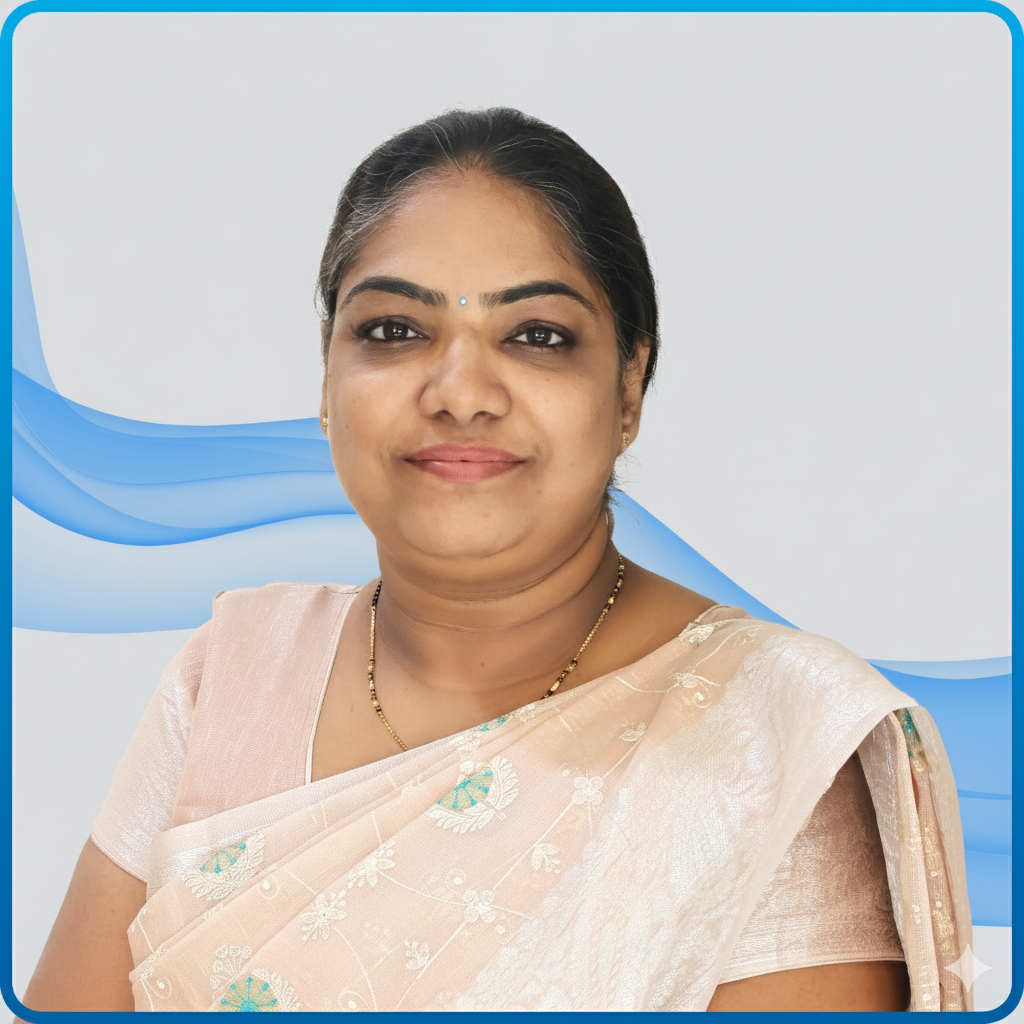
MBBS, DGO, DNB (OBG), Fellowship in Reproductive Medicine
Consultant - IVF Specialist, Female Sexual Health & Gynaecology

MBBS, MS (Surg), DNB (Uro), ChM (Edinburgh), FECSM, Fellow Andrology (Spain)
Sr. Consultant Andrologist & Urologist
With advanced Endometriosis Fertility Treatment in Bangalore, women are finding ways to solve their persistent pregnancy problems and fight this chronic gynaecological condition. Endometriosis is a medical disease in which tissue similar to the endometrium can be found outside of the uterine cavity, causing pain and inflammation as well as infertility. Endometriosis and infertility are closely linked but are very complicated.
Women with mild forms of the disease may conceive and give birth normally, while women with severe forms of the disease have fertility problems related to pelvic adhesive disease, the involvement of the ovaries, fallopian tubes, and so on. It is critical to diagnose the disease early to maintain reproductive capacity and take necessary measures.
Treatment needs to be individualised for each patient. Some factors that influence treatment decisions include age, ovarian reserve, extent of the disease, level of pain experienced by the woman, how previous treatment failed, and the woman’s plans to conceive. Anyone who is finding it hard to get pregnant, has significant pain with periods, recurrent miscarriages, or has previously been confirmed to have endometriosis should consult with a fertility doctor to start the investigation.
Table of Contents
Endometriosis is when the tissue similar to the uterine lining tissue that normally grows inside the uterus also starts growing elsewhere. Tissue can spread throughout the pelvic area and sometimes even outside it. Just like uterine tissue, endometrial tissue responds to the woman’s hormones during the normal monthly cycle and can affect the following locations.
The condition is commonly divided into four stages:
It is important to understand that severe endometriosis does not mean that fertility should be compromised, because many women with minimal disease do not get pregnant as easily as those with the most advanced disease, and some women with severe disease do get spontaneous pregnancy. Therefore, a thorough endometriosis diagnosis and exploration of fertility chances in endometriosis patients is required. Clinical presentations of pelvic endometriosis are so diverse that it is important to perform an individualised analysis.
Endometriosis can affect fertility in different ways.
Endometriosis causes inflammation in the pelvis. Inflammation can affect egg development, fertilisation, embryonic growth, and implantation.
Frequent inflammation can lead to scar formation. Adhesions can stick different organs together, limiting their function.
The progressive stage of the disease can change the position and movement of the reproductive organs, making natural conception hard.
Scar tissue can block the fallopian tubes, preventing the egg and sperm from meeting.
Also known as Chocolate Cysts, endometriomas consist of old, stagnant blood and cause a type of cyst on the ovaries. These cysts impair ovarian function and reduce ovarian reserve.
In certain women, having endometriosis or previous surgery can lead to a decrease in their ovarian reserve.
The inflammation associated with endometriosis can negatively affect egg quality.
The inflammation can also affect implantation in the uterus and establishment of pregnancy.
Thus, the link between endometriosis and infertility is a multi-faceted one and requires a comprehensive fertility evaluation to determine the best treatment.
Endometriosis symptoms differ in severity from one woman to another; some suffer extreme pain while others do not exhibit much pain and start facing fertility issues.
Endometriosis is one of the leading causes of painful periods, which can interfere with daily activities.
Some women suffer from chronic pelvic pain throughout the entire menstrual cycle, which may indicate some serious illness is going on.
A common symptom of endometriosis is having deep pelvic pain during or after intercourse.
Women who have involvement of the bowel or bladder may face pain during these activities, especially around the time of their periods.
Women may experience heavy or prolonged bleeding during periods.
Infertility may be one of the initial symptoms of endometriosis, even in patients with minimal pain experience.
A chronic inflammatory process can contribute to fatigue, bloating, and general pelvic pain.
Assessing infertility early can help reveal fertility problems and help take advantage of early treatment options. Women needing an assessment are those who have:
Seeking assistance from an experienced endometriosis specialist in Bangalore will help choose the best way to address fertility issues. Planning to conceive can also be beneficial by consulting an endometriosis fertility specialist before experiencing further decreases in fertility.
Endometriosis diagnosis involves clinical assessment, imaging studies, fertility assessment, and surgical procedures. The current standard of clinical practice is based on symptom assessment plus imaging studies performed before any surgical diagnosis based on the condition of the patients.
Detailed medical history involves:
Pelvic examination can detect lumps, ovarian enlargement, and obstacles to pelvic organ mobility.
Ultrasound examines the ovaries for endometriomas and assesses pelvic anatomy.
MRI is suitable when deep-seated endometriosis is suspected or more specific anatomical information is required.
The assessment of ovarian reserve may help in precise female fertility evaluation.
AMH will provide information regarding ovarian reserve.
Ultrasound-based AFC helps measure and monitor ovarian reserve and may be used for treatment planning.
Using tests such as HSG (hysterosalpingography) or sonosalpingography, we define whether the tubes are open.
A sample of the partner is important to keep in mind that male infertility may coexist with infertility coming from endometriosis. Semen analysis is a standard part of the evaluation of female fertility.
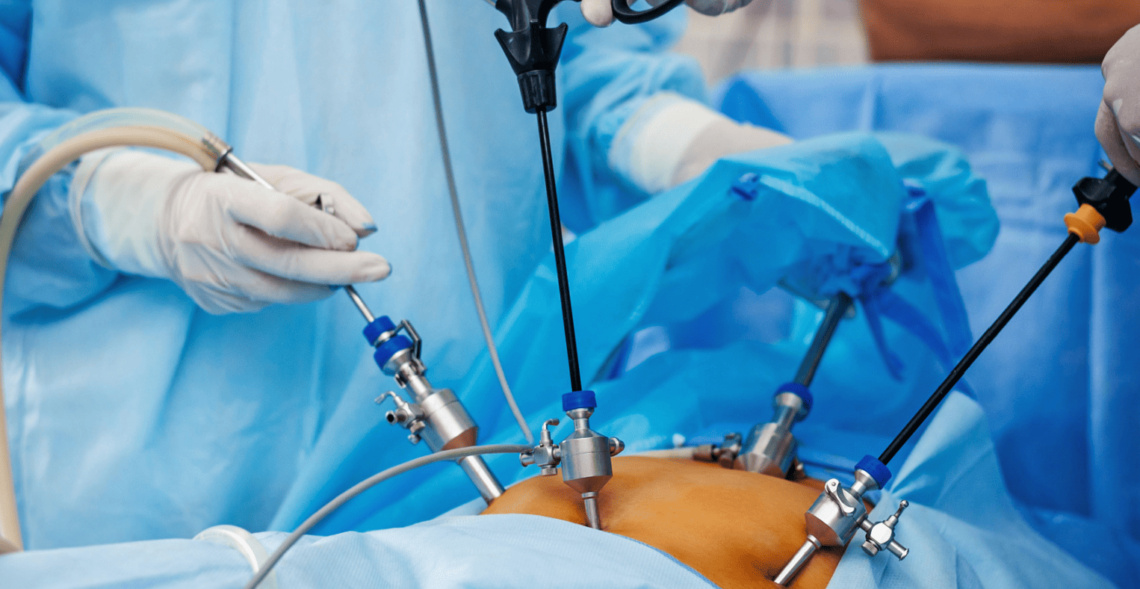
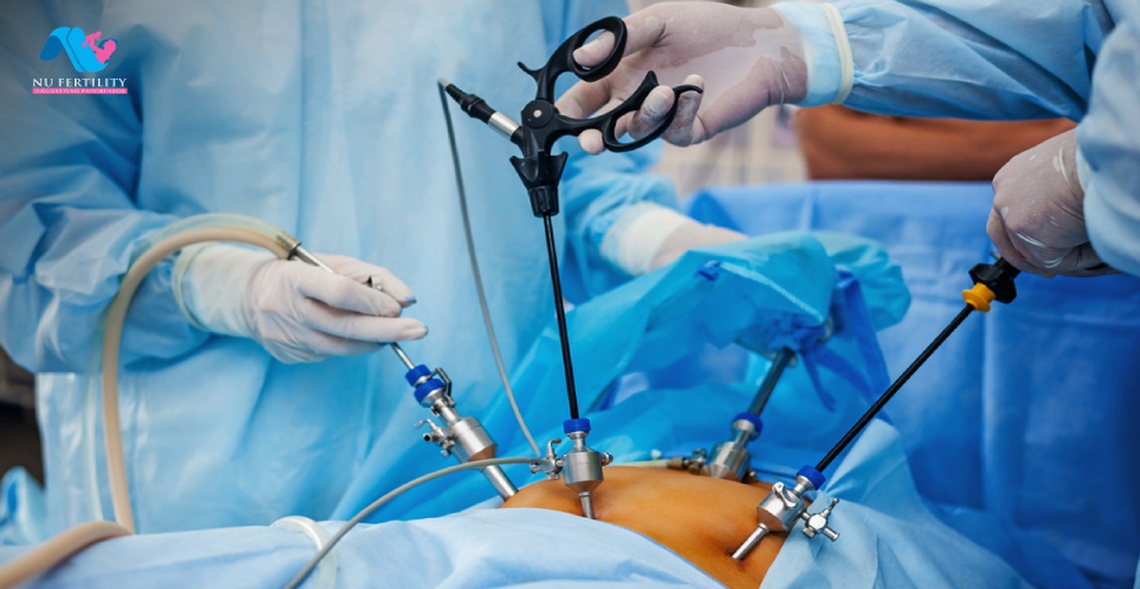
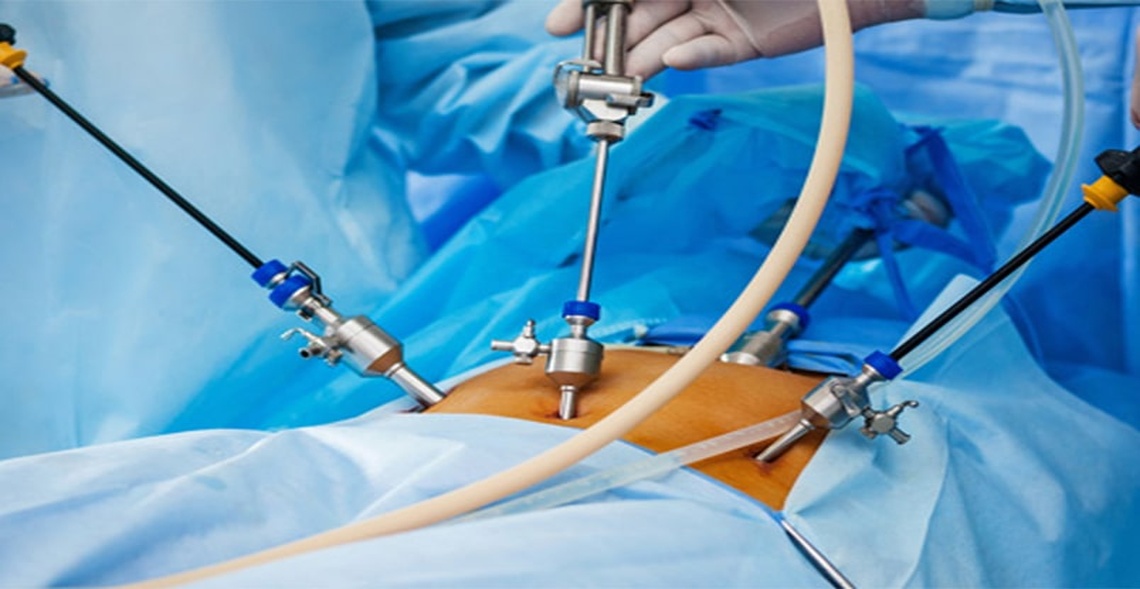
Laparoscopy may be used when the diagnosis is unclear, symptoms are severe, or surgical intervention is planned.
The following factors should be taken into consideration in a woman’s personalised endometriosis fertility treatment plan:
The following lifestyle factors may positively influence reproductive health:
Hormone therapy is a prevalent approach for alleviating symptoms linked to endometriosis and curbing the activity of the disease. Hormonal options can include:
One should remember that exclusively relying on hormone therapy is not a viable infertility treatment option for women wishing to conceive since this treatment prevents ovulation and conception.
Endometriosis surgery can be viable for some patients. Surgical treatment methods may be:
The potential benefit for fertility depends on the degree of disease progression, fertility age, and the surgeon’s experience. Therefore, patient selection is crucial.
Ovulation induction can be an option for selected individuals if the disease is not too severe and reproductive capacity is not lost. Medications help with ovulation so that natural conception becomes more attainable. Criteria considered when choosing patients include:
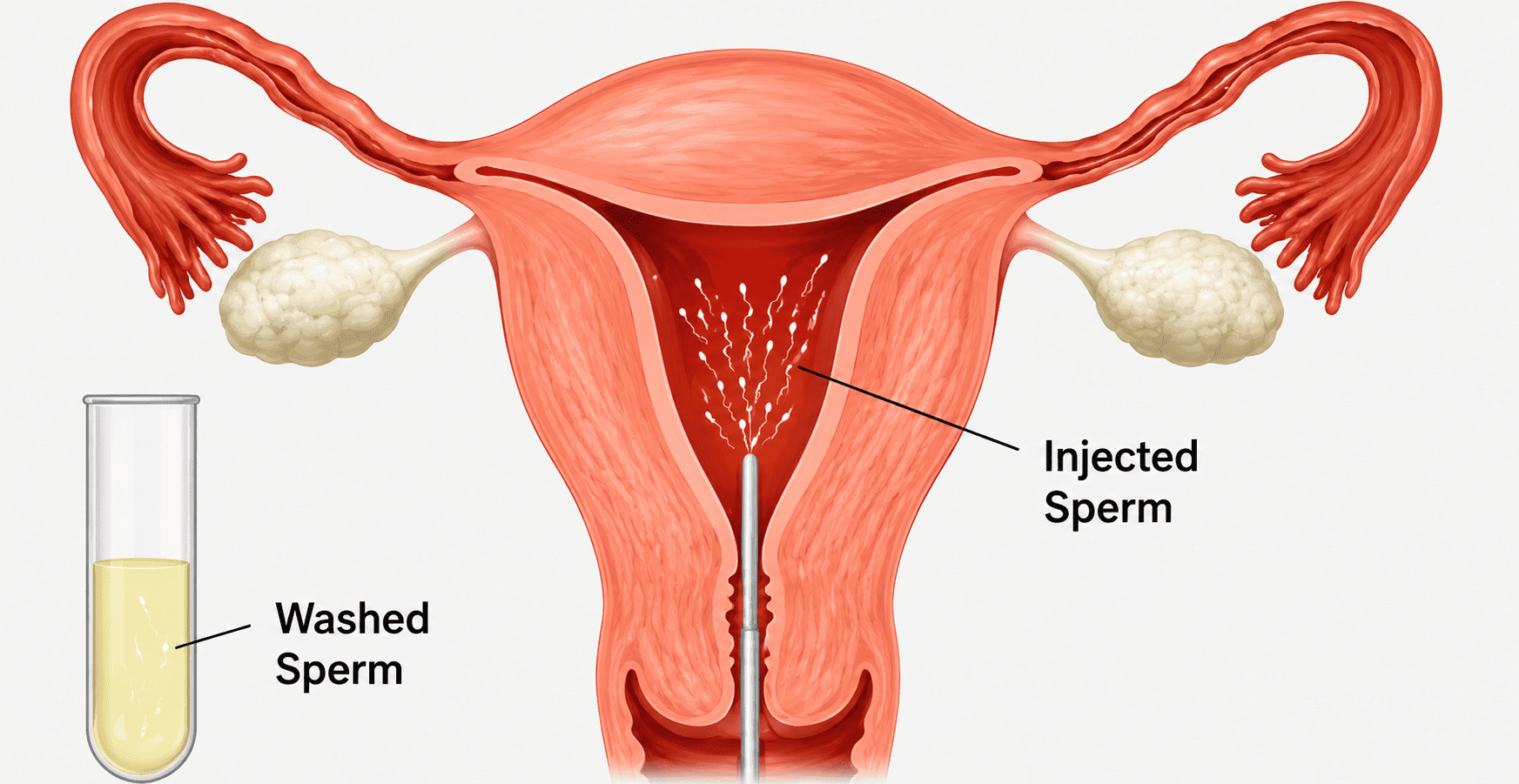
It can be applied in cases of Mild endometriosis, Open fallopian tubes, Good ovarian function, or Normal or slightly disturbed sperm parameters. IUI consists of the direct introduction of sperm into the uterus during the ovulation period. The success rate of IUI changes with the age of the woman, severity of the disease, and other infertility factors.
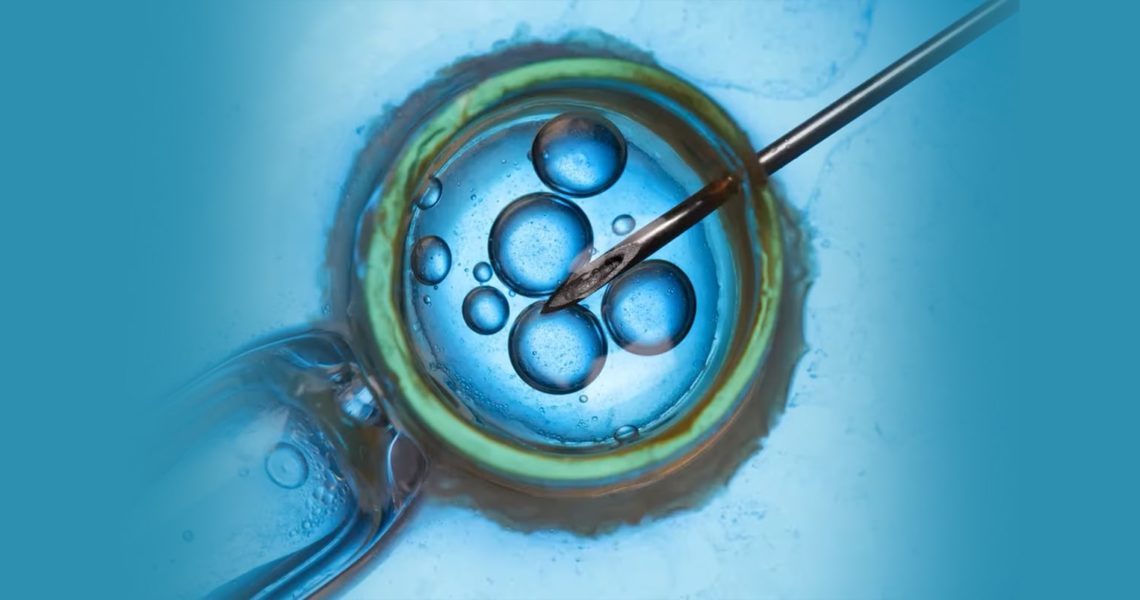
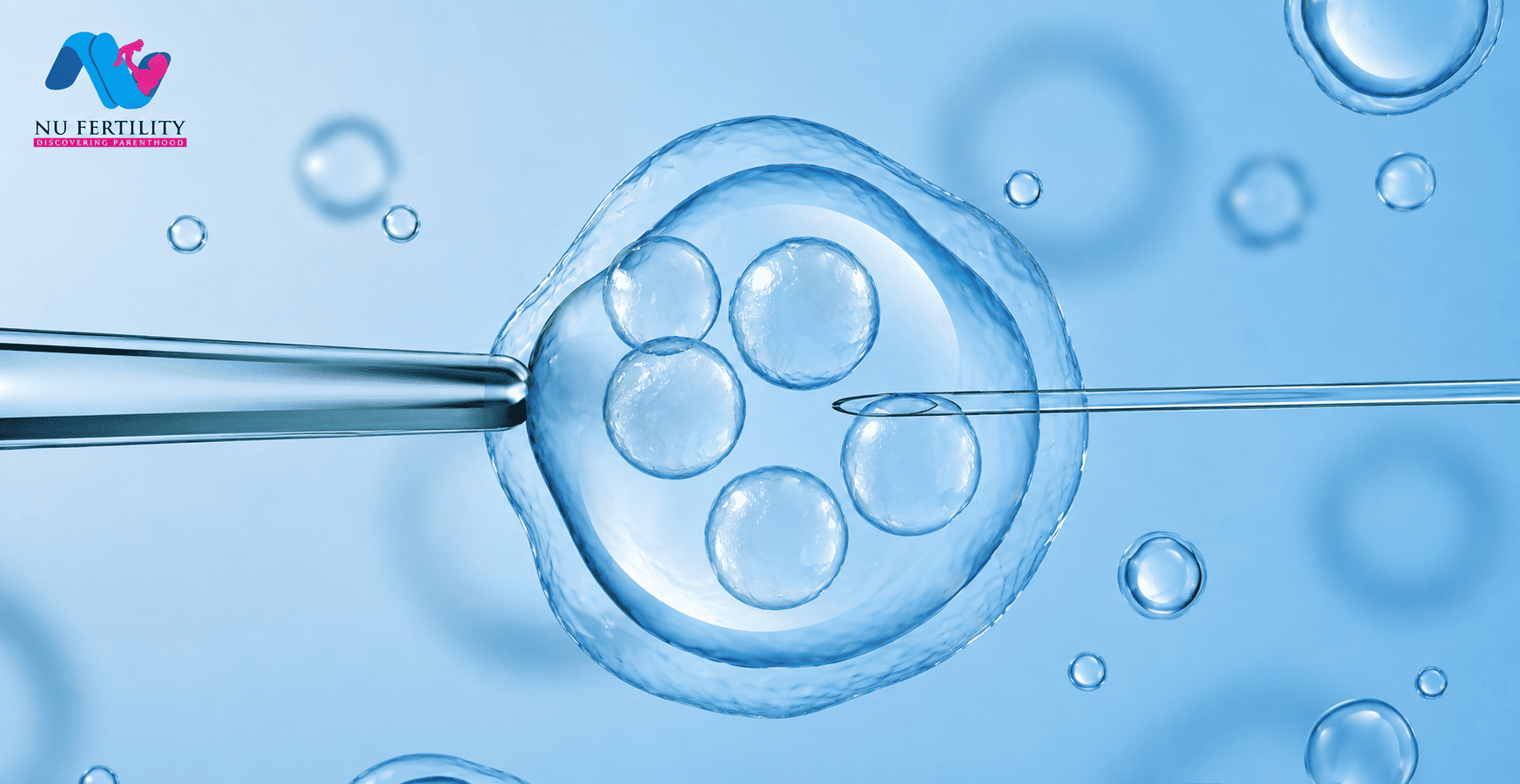
In Vitro Fertilisation, or IVF for Endometriosis, is considered for a variety of conditions diagnosed in the couple, including:
IVF makes it possible to avoid some of the anatomical problems associated with endometriosis and ensures a better pregnancy rate among appropriate patients.
It is for women who do not want to become pregnant or who are scheduled for surgery. Types of methods include:
Embryos that were created via IVF are frozen for future attempts of becoming pregnant. Fertility preservation may be useful before surgery, particularly if there are concerns about preserving ovarian reserve.
Regarding treatment for infertility associated with endometriosis, NU Fertility seeks to give personalised treatment to every patient based on their individual condition and goals for treatment. Treatment includes:
The outcome of treatment is based on a proper assessment of a patient’s symptoms and individual needs.
There are many advantages of early fertility treatment for endometriosis:
NU Fertility offers full-scale assistance for females suffering from endometriosis that hinders fertility. Some of the features that make NU Fertility unique are:
The main goal at NU Fertility is to empower patients to make the correct decision and have personalised reproductive care at every moment of the fertility-related process.
Our team of IVF specialists in Bangalore have been known for their extensive clinical experience and research contributions and their success in treating the most challenging fertility cases.
MBBS, DGO, DNB (OBG), Fellowship in Reproductive Medicine
Consultant - IVF Specialist, Female Sexual Health & Gynaecology
MBBS, MS (Surg), DNB (Uro), ChM (Edinburgh), FECSM, Fellow Andrology (Spain)
Sr. Consultant Andrologist & Urologist
I would suggest this hospital for everyone especially who is struggling long time for baby. This hospital works so systematically that you don’t have to wait longer time to meet doctors. I must thank Rajitha who used to track immediately my files and send me to concerned person or place. Dr.Sneha has enlightened my life. She guided me in each step. Continuous monitoring of patient and guiding on each phase is very important which is totally taken care here by doctor. Unlike other hospitals , they don’t waste time and money. Please consult Dr.Sneha if you are planning for IUI or IVF. She is very kind and humble. My hearty thanks to Dr.Sneha.
S Revathi
Dr Sneha hands down is one of the best infertility specialist in town. With immense knowledge and the best credentials (of AIIMS and milan) yet she’s so humble and patient. I went through an ivf and she made it possible in the first shot. Happy to have twins🤗
She is always available to answer all doubts. After 3 years of disappointment from multiple doctors in Bangalore she undoubtedly has been the best and got me lucky. Thank you Dr Sneha for your time, patience and most importantly empathy and my twins🙏🏻🙏🏻
Chabi Anand
I met Dr Pramod Krishnappa. All my problems were cleared without any doubt. Service is good
Shiva
The NU Fertility and the work of Pramod sir require a lot of appreciation and due respect. The entire team and hospital staff are very kind and helpful nature including the outsourcing canteen staff and counter people. This hospital deserves international access God bless ? your team sir may you have all of god’s gifts and success.
Venugopal M
The consultation with Dr. Pramod was good and the staff helped a lot with the process too. Thank you for the treatment.
Chitra A L
Got my surgery done here. Special shout-out to Doctor Pramod, Doctor Gautam, and Doctor Ambika for their support. Wards are well maintained, and the nursing staff periodically keeps monitoring you very diligently. Mr Santosh ensured the smooth processing of insurance. Also, the canteen staff ensured the timely delivery of healthy, nutritious food. Overall, a positive experience.
Arvind Manavasi
Many women with endometriosis experience no difficulties conceiving. It’s noted, however, that the fertility of some women can be affected, making evaluation and treatment necessary for them to conceive.
Not all women with endometriosis find it difficult to conceive. Some women get pregnant without any problems, while others require fertility evaluation/treatment depending on the severity of the disease and other reproductive factors.
Endometriosis may impair fertility through inflammation, scar tissue formation, changes in pelvic anatomy, blockage of the fallopian tubes, endometriomas in the ovaries, reduced egg count, altered egg quality, and problems with implantation.
Women below 35 years should seek assessment and treatment after one year of unsuccessful attempts to conceive. Women aged 35 years and above should consider consulting a specialist after 6 months of trying to conceive. Early assessment may be required for women with known endometriosis or serious symptoms of endometriosis.
If a woman has endometriosis or suffers from painful periods, endometriomas, recurrent miscarriages, previous pelvic surgeries, or failed fertility treatments, consultation with an endometriosis specialist is recommended.
NU Fertility © 2026. All Rights Reserved. Terms of Use and Privacy Policy
 Female Infertility
  Ovulation Induction
  IUI
IUI  IVF/ICSI
  Frozen Embryo Transfer (FET)
  ERA Test
  IVM Fertility Preservation
  Laparoscopy and Hysteroscopy
  Men's Sexual Health
  Male Fertility Conditions