MBBS, DGO, DNB (OBG), Fellowship in Reproductive Medicine
Consultant - IVF Specialist, Female Sexual Health & Gynaecology

MBBS, MS (Surg), DNB (Uro), ChM (Edinburgh), FECSM, Fellow Andrology (Spain)
Sr. Consultant Andrologist & Urologist
Male infertility means a man’s sperm production, sperm function, sperm transport, or ejaculation is preventing pregnancy. Male factors are involved in close to half of all infertility cases, sometimes alone and sometimes together with a female factor. That is the main reason specialists test both partners simultaneously.
Male infertility is a medical condition, and most causes can be identified and treated. Treatment depends on the semen analysis result, the hormone profile, the man’s reproductive history and age, the diagnosis itself, and what the couple wants to do next. At NU Fertility in Bangalore, we start with a full male fertility workup, run advanced diagnostics, and build the treatment plan from there. Anyone looking into male infertility treatment in Bangalore should book a consultation to learn more about the causes of male infertility and how they can move forward with their parenthood journey.
Male infertility covers any biological issue in the man that stops natural conception from happening. This can mean a low sperm count, sperm that don’t move well, a blockage somewhere in the sperm pathway, a hormone problem, or an issue with the reproductive organs themselves.
It is not the same as taking a bit longer than expected to conceive. Plenty of healthy couples need more than a few months. Infertility is a diagnosis that applies once conception hasn’t happened within the defined window, and it usually points to something specific and treatable.
A man diagnosed with infertility is not necessarily unable to father a child naturally. Many go on to conceive without assistance once the underlying issue is treated; others need IVF or ICSI to get there. The issue could be with sperm production, sperm transport, ejaculation, hormones, genetics, or anatomy. Because these overlap with the female partner’s fertility, we evaluate both partners.
Some men notice warning signs before they ever start fertility testing:
Most men with infertility have none of these signs. Sperm count and hormonal levels don’t show up as visible symptoms, so infertility is usually picked up only once a couple starts testing.
Male infertility issues can stem from sperm production problems, transport blockages, ejaculation disorders, hormone imbalances, or anatomical issues, sometimes more than one at once. Finding the specific cause is what lets a specialist recommend a treatment that fits.
Most male infertility traces back to how the testes make sperm:
A varicocele is an enlarged vein inside the scrotum. It raises the temperature around the testes, and that heat can lower sperm count, reduce motility, and change sperm shape.
Sperm production runs on a hormone balance, and any of these can impact it:
A smaller group of men are infertile because of an inherited condition:
Sperm production can be normal, and conception still won’t happen if ejaculation isn’t working right:
A physical blockage can stop sperm from being released even when they’re being made normally:
An infection can damage sperm production directly or leave scarring that blocks the pathway:
These rarely cause infertility on their own, but they can pull sperm quality down:
Some men have abnormal fertility with a normal exam and normal test results. Even without a clear diagnosis here, treatments like IUI or IVF can still work depending on the couple’s situation.
Why Identifying the Cause is Important? A confirmed cause means the treatment plan is built around this man’s semen analysis, hormone profile, age, history, and existing health conditions. This gives the couple the best possible chance for a pregnancy.
Your doctor will perform the following diagnostic procedures to precisely understand the underlying cause of male fertility.
The doctor starts with past surgeries and current medications, then asks about conditions like diabetes or thyroid disease that can lower fertility. They also want to know how long the couple has been trying and whether anything has changed in his sexual health recently. On the physical side, we check the testes for size and firmness and look for a varicocele in the scrotum.
Semen analysis is where every evaluation starts. It measures semen volume, sperm count, motility, morphology, and vitality. An abnormal first result is usually repeated before we draw any conclusion from it.
Blood tests include testosterone, FSH, LH, prolactin, and thyroid function tests. These hormones drive sperm production, so an imbalance in any one of them can explain a low count or poor sperm quality.
A scrotal ultrasound directly assesses the testes. A Doppler ultrasound looks for varicocele. A transrectal ultrasound is done when we suspect an obstruction further along the tract.
Men with severe sperm abnormalities or azoospermia may need karyotyping, Y chromosome microdeletion testing, or CFTR mutation testing for cystic fibrosis-related causes.
Depending on the case, we may add sperm DNA fragmentation testing, a testicular biopsy, a post-ejaculatory urine test, or infection screening. Not every man needs every test on this list; our infertility specialists add tests based on earlier results.
Treatment follows the diagnosis, how severe the sperm abnormality is, the couple’s goals, and the female partner’s fertility status.
For some men, a few months of changed habits improves sperm quality on its own:
We generally ask men to commit to these changes for at least this long before repeating a semen analysis, since testing too early can miss the improvement.
When the cause is hormonal or an infection, we treat it directly through hormone therapy, infection treatment, or management of the underlying endocrine disorder.
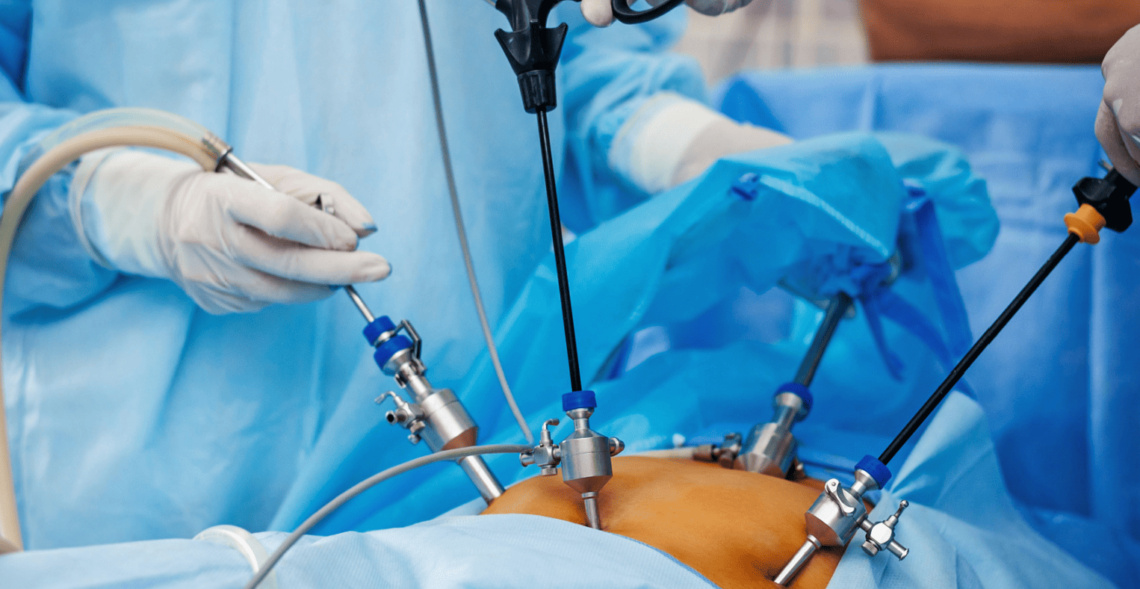
A structural cause needs a surgical fix:
When there’s no sperm in the ejaculate, we can retrieve it directly from the testes or epididymis:
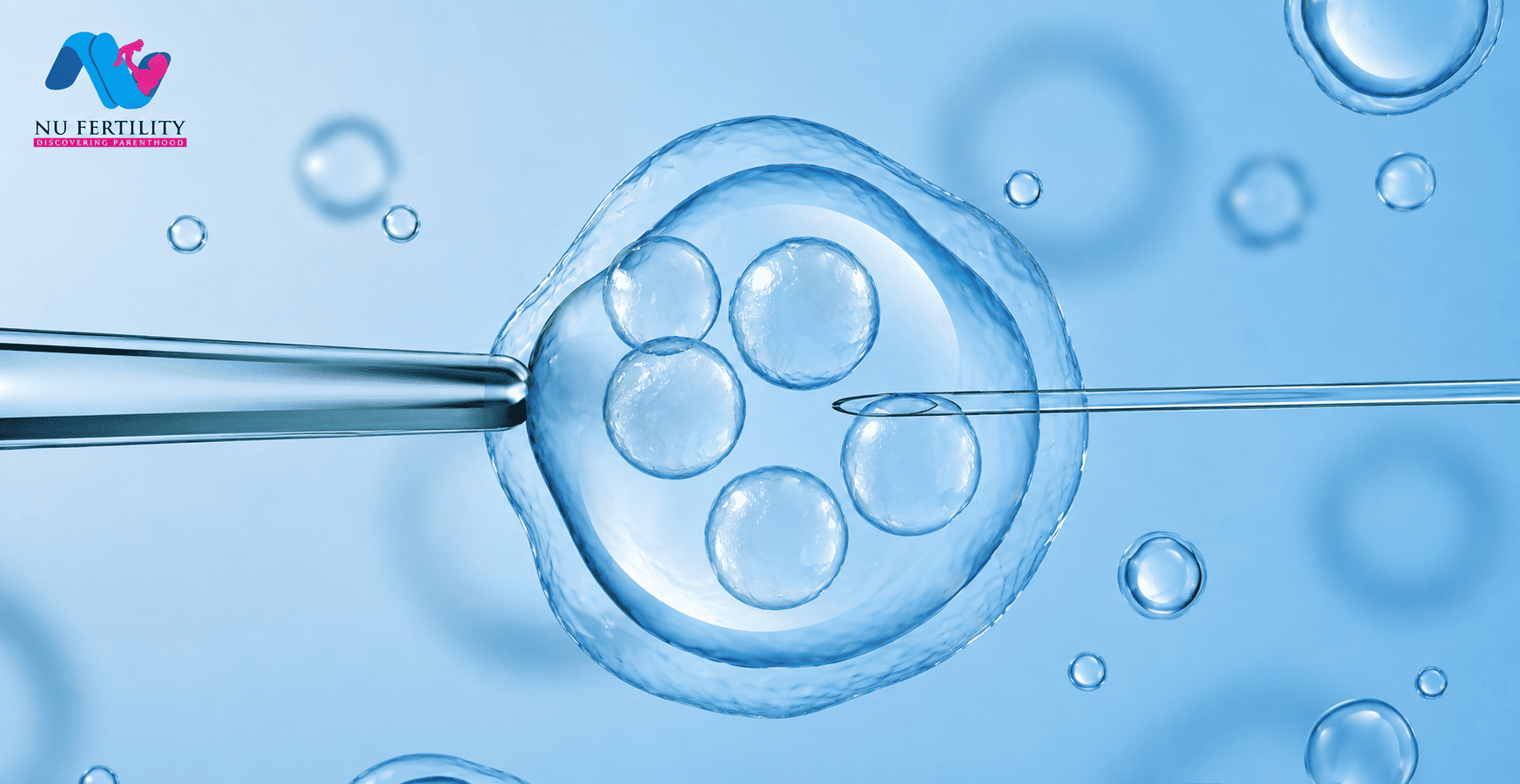
The procedure used depends on the cause of the absent sperm and what earlier tests showed. Retrieved sperm is paired with ICSI treatment during an IVF cycle, since the number of sperm retrieved this way is usually too low for other fertilisation methods.
If no viable sperm can be retrieved, or a genetic condition makes using the man’s own sperm inadvisable, donor sperm becomes an option.
Several factors influence how well treatment works:
NU Fertility combines an experienced team with the diagnostic tools male infertility actually needs.
We build every male fertility plan at NU Fertility around an accurate diagnosis first, then the treatment that fits it.
If you and your partner haven’t conceived after trying, our fertility specialists can help you find out why. Book an appointment with NU Fertility to start your evaluation.
Our team of IVF specialists in Bangalore have been known for their extensive clinical experience and research contributions and their success in treating the most challenging fertility cases.
MBBS, DGO, DNB (OBG), Fellowship in Reproductive Medicine
Consultant - IVF Specialist, Female Sexual Health & Gynaecology
MBBS, MS (Surg), DNB (Uro), ChM (Edinburgh), FECSM, Fellow Andrology (Spain)
Sr. Consultant Andrologist & Urologist
I would suggest this hospital for everyone especially who is struggling long time for baby. This hospital works so systematically that you don’t have to wait longer time to meet doctors. I must thank Rajitha who used to track immediately my files and send me to concerned person or place. Dr.Sneha has enlightened my life. She guided me in each step. Continuous monitoring of patient and guiding on each phase is very important which is totally taken care here by doctor. Unlike other hospitals , they don’t waste time and money. Please consult Dr.Sneha if you are planning for IUI or IVF. She is very kind and humble. My hearty thanks to Dr.Sneha.
S Revathi
Dr Sneha hands down is one of the best infertility specialist in town. With immense knowledge and the best credentials (of AIIMS and milan) yet she’s so humble and patient. I went through an ivf and she made it possible in the first shot. Happy to have twins🤗
She is always available to answer all doubts. After 3 years of disappointment from multiple doctors in Bangalore she undoubtedly has been the best and got me lucky. Thank you Dr Sneha for your time, patience and most importantly empathy and my twins🙏🏻🙏🏻
Chabi Anand
I met Dr Pramod Krishnappa. All my problems were cleared without any doubt. Service is good
Shiva
The NU Fertility and the work of Pramod sir require a lot of appreciation and due respect. The entire team and hospital staff are very kind and helpful nature including the outsourcing canteen staff and counter people. This hospital deserves international access God bless ? your team sir may you have all of god’s gifts and success.
Venugopal M
The consultation with Dr. Pramod was good and the staff helped a lot with the process too. Thank you for the treatment.
Chitra A L
Got my surgery done here. Special shout-out to Doctor Pramod, Doctor Gautam, and Doctor Ambika for their support. Wards are well maintained, and the nursing staff periodically keeps monitoring you very diligently. Mr Santosh ensured the smooth processing of insurance. Also, the canteen staff ensured the timely delivery of healthy, nutritious food. Overall, a positive experience.
Arvind Manavasi
Sperm production disorders, varicocele, hormone imbalances, genetic conditions, ejaculatory dysfunction, structural blockages, infections, and lifestyle factors can all cause it. Some men have no identifiable cause at all.
Semen analysis is the starting point. From there, we usually perform a blood hormone test and a scrotal ultrasound; depending on the results, genetic testing might follow. The exact combination depends on the individual case.
Often. It comes down to what’s causing it. Lifestyle changes help some men; others need hormone therapy or varicocele surgery, and for more severe cases, IVF with ICSI is an option.
The general rule is 12 months of trying without success, or 6 months if the female partner is 35 or older. That timeline moves up if there’s testicular pain, a history of undescended testes, or any known reproductive health issue.
Yes. Men keep producing sperm much later in life than women produce eggs, so age matters less for men overall. However, as men get older, sperm move slower and carry more DNA damage.
NU Fertility © 2026. All Rights Reserved. Terms of Use and Privacy Policy
 Female Infertility
  Ovulation Induction
  IUI
IUI  IVF/ICSI
  Frozen Embryo Transfer (FET)
  ERA Test
  IVM Fertility Preservation
  Laparoscopy and Hysteroscopy
  Men's Sexual Health
  Male Fertility Conditions